أنا آسف,
je suis désolé,
ma'afkan saya,
na tuba,
抱歉,
אני מצטער,
i paenitet,
lo siento,
mutuh doh ui,
i'm sorry,
To all my Muslim family, friends, neighbours, colleagues, acquaintances and those Muslims i’ve not yet met, i’m sorry.

i come from the land of ice and snow and i’m sorry that you had to find out the hard way that Canada not the nicest place in the world to live. The true North is not strong and free. It is neither the land of maple syrup and boundless possibilities nor filled with smiling faces, colourful maple trees and toques. It is the land where beavers cut high-speed internet lines and Canada geese poop all over the place. Canada is a country that is so off-kilter, Mother Nature herself is rising up and pushing back.
i intended to publish this two weeks ago on “Father’s Day“. The day before that was the first ever “Juneteenth“; a day that commemorates, in Canada’s southern neighbour, the official end of slavery and, theoretically, the beginning of post-racial American society. Oh would that it were so.
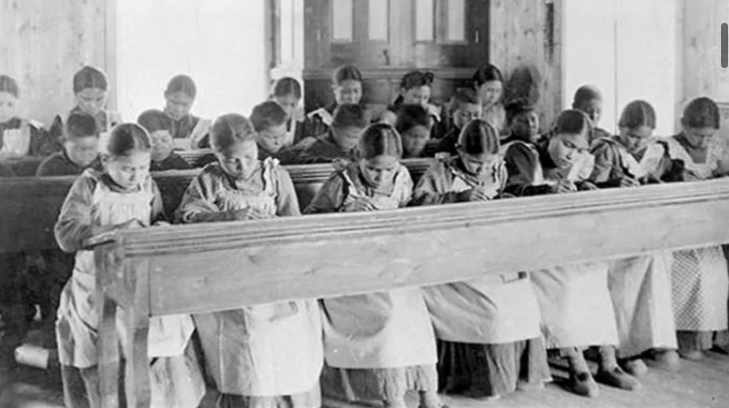
For the past several weeks my home and native land has been riven in turmoil. First, over a month ago, came the discovery, made by the Tk’emlúps te Secwépemc First Nation, of the remains of 215 children in a mass grave at the Kamloops Indian Residential School, in British Columbia. The boarding school was one of many run by the Roman Catholic Church, in this case by the Missionary Oblates of Mary Immaculate, with the blessing of the Government of Canada. How they died? Why they died? What caused their deaths? Why they were buried in a mass grave? We have yet to hear answers to these questions. Importantly both the OMI and the Vatican are refusing to hand over documentation they have in connection with this and other cases. While two Roman Catholic Archbishops in Canada (Vancouver & North West Territories) have apologised on behalf of themselves and their offices, the Vatican has expressed regret but refused to apologise. As a practicing Roman Catholic i have been bereft and sorely disappointed. my own Archbishop, His Grace Simon Poh (Kuching, Sarawak), has refused to contact the Holy Father in Rome, His Holiness Pope Francis, on my behalf, but has attempted to fill me in on what he thinks the Church’s position is and has counselled me to be patient. The Roman Catholic Church does not move quickly.
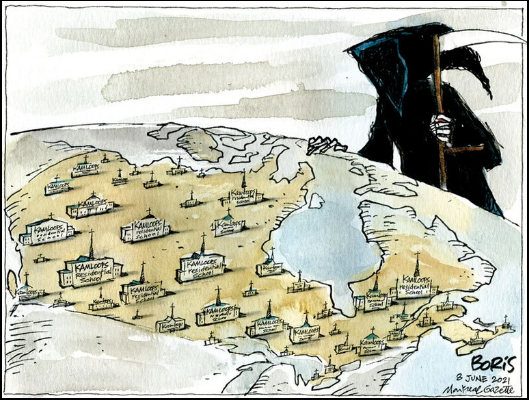
Additional fuel was added to the First Nations fire last week when 751 unmarked graves were found at the site of what was the Marieval Indian Residential School in Saskatchewan.1 Apparently graves’ headstones were removed when the R.C. priest in the community had a falling out with the local tribal council so he took it upon himself to remove the headstones and leave the graves unmarked, definitely a sign of deep disrespect for the Dearly Departed.
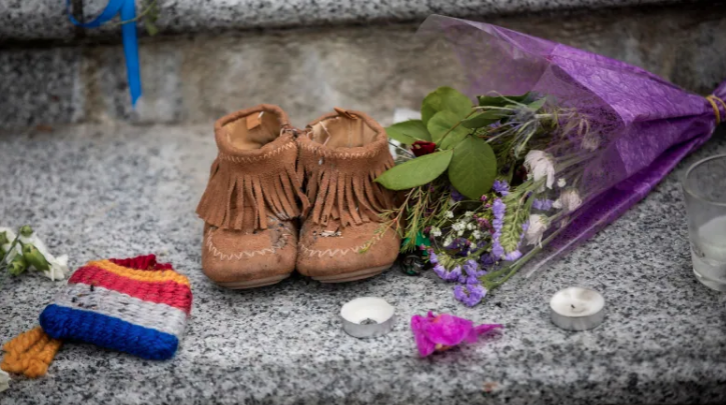
And then, on the eve of Canada Day, came the revelation of 182 more unmarked graves in the community of ʔaq’am, situated within the traditional territory of the Ktunaxa Nation near Cranbrook, in South-Eastern BC, their leader says the nature of who is buried and why in unmarked graves is not yet known.2 It is painfully clear that the Residential Schools made a mockery of “In Loco Parentis“. There was clearly no Duty of Care being carried out in a system designed and executed to destroy indigenous mores and folkways. Meanwhile the Natives are definitely restless with an ever increasing number of alleged acts of arson destroying completely four Roman Catholic churches on different First Nation’s reserves in British Columbia and several others in other parts of Canada.
Over three weeks weeks ago, coincidently, on Corpus Christi Sunday 06/06/21, a Muslim family was out for an evening stroll on the sidewalk near their home in London, southern Ontario. In an instant the family was shattered as they were purposely hit and run over by a pickup truck driven by a twenty-something Canadian white male. Salman Afzaal, 46, his wife Madiha Salman, 44, their daughter Yumna Afzaal, 15, and Salman’s mother, Talat Afzaal, 74, were all slain instantly in what police are now calling a “targeted terrorist attack”. Salman and Madiha’s 9 year old son, Fayez Afzaal, the only family member left alive, was only recently released from hospital.
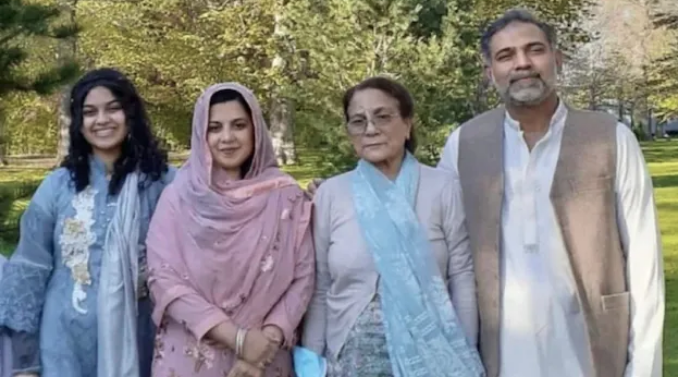
When i first heard about the murderous vehicular attack i was shocked, confused and gravely disappointed that such a heinous act could happen in country that shaped me during my “Wonder Years”. The more i thought about it the angrier i became? What gave that guy the right to do that to those people? i wanted to take him and shake him to within a hair’s breath… i wanted to lash out and give him a taste of his own medicine. Then i remembered my pledge, as a socially responsible homosapiens, to always choose the non-violent response to any given situation. i’d read Mahatma Ghandi’s and Jesus Christ’s thoughts on the same and found them demonstrably better than going down the ‘eye for an eye’ route.
But i digress, ‘Sarah Shaikh, from the Public Prosecution Service of Canada, told the accused: “you are now charged with four counts of first-degree murder. In addition to the allegation that these murders were planned and deliberate, the further allegation is that they also constitute terrorism.”‘
I’m sorry, so sorry, that hatred of Islamophobia has reared its ugly head in such a horrific manner in my home and native land, Canada. It saddens me deeply that an apparently rational human being could be so over-wrought that he would find in himself a desire to murder a visibly Muslim family as they went on a Covid19 socially distanced stroll to get some exercise after dinner.
That a human being could do that to other human beings defies logic. What could possibly enrage a young man to the extent that he would jump his pick-up over the curb and careen into the family? Why was he so angry? When and where did he become so filled with hatred and bile that he felt obliged and justified to do this?
That Islamophobic attacks have continued despite the heartrending soul searching going on across Canada and beyond. There was an attack last week on the two Muslim sisters one of whom was beaten unconscious; then later in the week an attack on the Muslim man who was also beaten unconscious and then shorn of his beard. Where does all this vicious hatred come from and why do these people feel empowered to act out at this time?
i have a theory that prejudice, racism, discrimination and othering do not occur naturally in our species. Intolerance is not innate. It is neither nurtured in utero, nor suckled from the breast via mother’s milk. i firmly believe that hatred has to be taught, fed with fear, enlivened with loathing, and watered with wretchedness for it to flourish, expand and grow to the point where it becomes all-consuming and pushes rational thought out of mind, allowing its host to engage in thoughtless brutal action like that which London, Ontario witnessed, much to its horror.
In Malaysia there is a Malay language saying that details succinctly why someone would go off the rails and do something so reprehensible, “dia kurang ajar!” Literally, “they are lacking in instruction.” To direct this expression at someone is to do their family great injury as it is understood the parents bear all the brunt for the behaviour of their child’s actions and those actions reflect their engagement in their child’s moral upbringing. So the parents are entirely to blame as they did not teach their children well. It’s their fault their spawn turned out the way they did whether by commission or omission.
A lie my father told me…
When i was a child i can remember my father returning home from his travails at RCAF Greenwood’s Tailor Shop. He was full of piss and vinegar and railing on about officers getting “sucked by the jews” because they were unwilling to leave their uniform in the queue for him to fix for free on the Government clock, they figured they could come in at the last moment before major parade inspections and, by pulling rank, move to the front of the line. Such was not the case in my father’s shop. So they would pay tailors, off base, who would do quick and nasty alterations, which would fail inspection because they were not sewn correctly. This, in turn, would make my old man look bad because he was the base tailor responsible for how the airmen and airwomen were turned out.
Why did my father espouse anti-Jewish rancor? He was born 4 months before the stock-market crash of Black Thursday, in October 1929, which saw his own father’s fruit and vegetable shop’s retail sales wiped out over night. i can’t but begin to wonder at the infancy and childhood he experienced in depression era Montréal, home of the largest population of Orthodox Jews in Canada. i can only assume that he got his fixation on Jews from his own father who quite likely thought the Depression was caused by Jewish financiers attempting to manipulate Wall Street. Jewish financiers as manipulative wizards and Christ killers is a trope that is as old as Christianity. However, the original Jewish diaspora occurred fully 2600 years ago when ‘Assyrians forcibly exiled the Ten Israelite tribes to points unknown’.2 The pattern of diaspora was repeated 2500 years ago and again in CE 68 with the destruction of the Original and Second Temples in Jerusalem. Fear and loathing of Jews is a very common theme repeated in Western culture which reached its apex in Facist controlled Europe when Hitler launched the “Final Solution” (Endlösung)3. This blaming of Jews continues to this day. In 1997 Malaysia’s Prime Minister Mahathir Mohammed continued to beat the, Jew as financial manipulator, drum.
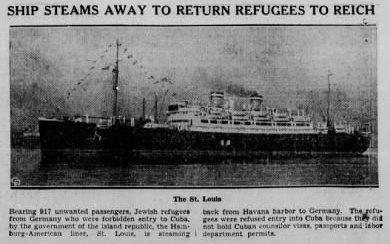
The Canada of my 9 year old father was riven with intolerance: the infamous S.S. St Louis, the Ship of the Damned filled with European Jewish refugees was turned away from Halifax in May of 1939 despite pleas from Montréal’s leading Jewish lights. In western Canada the advent of Japan on the Axis side of the conflagration in 1941, saw thousands of Canadian citizens of Japanese origin, including a young David Suzuki, subjected to arbitrary detention without trial, lost of liberty, property and respect. This was not Canada’s finest hour. And we forget the Chinese Immigration Act of July 1st, 1923, six years before my old man was born, that banned Chinese immigration.
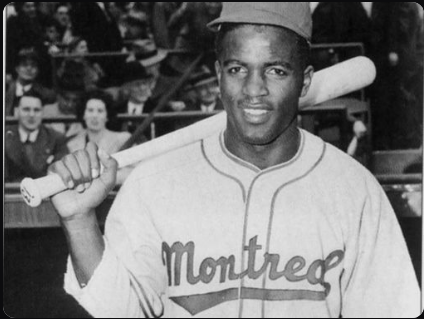
By 1946 the “Big One” was officially over. On a more positive note the Montreal Royals, the Brooklyn Dodgers’ farm team, signed Jackie Robinson, the first Black athlete to join a regular line up in professional baseball. Five years or so later my Pa went AWOL from the RCAF with a Québecois mate of his. Together they hitch-hiked through the Jim Crow south and discovered the hospitality of southern Blacks who welcomed these two French Canadian lads from Montréal, who could barely speak English, into their homes, churches and juke joints. They were easily distinguishable from the American military as their blue serge RCAF uniforms and Québecois accents proved they were from the city where No. 42 started his pro-baseball career.
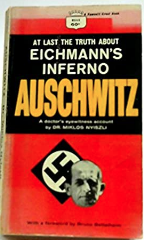
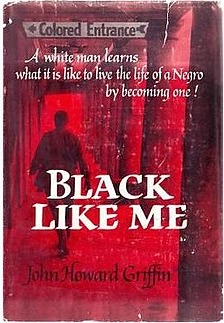
Despite Pa’s very overt and blatant anti-semitism he ensured our small family bookshelf held two books that were to have a lasting impact his pride and joy, his only boy. One, an autobiography by Jewish doctor, Miklós Nyiszli, discussed his work for Dr Mengele in the Nazi concentration camp Auschwitz, Poland. It taught me about the Holocaust, a topic that was not taught in school. The other tome was “Black Like Me” by John Howard Griffin. Its cover tells all. Those two books opened my eyes and blew my mind as i began to comprehend the existence of institutionalised intolerance on an industrialized scale on this “Terre des Hommes” that we all occupy. i can not, in good faith, say we share this blue/green globe as the 1% have far too much of everything to call the distribution “sharing“.
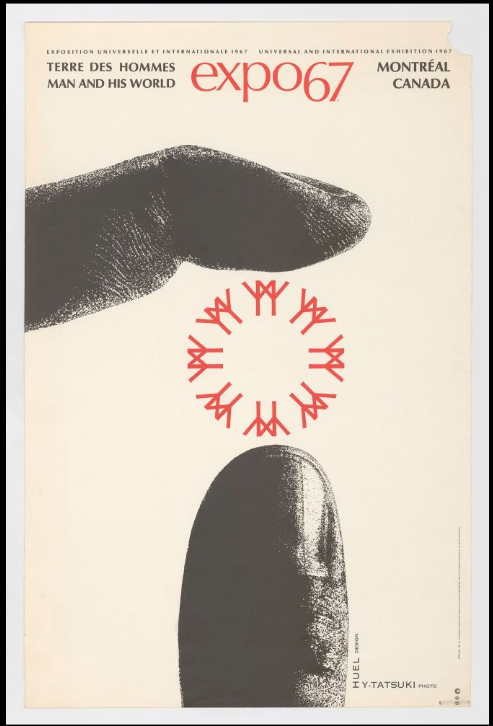
Raised on two RCAF bases, Maratime Command in Greenwood, NS and Air Transport Command in Trenton ON my three sisters and i learned to “Duck & Cover” in our classrooms because our locations were certainly targeted in the event of a nuclear war. At home we acquired a love of reading because Pa had that small bookcase filled mainly with Reader’s Digest Condensed Books, quelle-que classics française, a random assortment of dime novels, and the two bios i mentioned. In addition there was the annual report he would get from the Cardinal Léger charity he supported complete with pictures of starving children, so make sure you eat your dinner.

In 1963-64 my sisters and i attended Little Breadner Public School on the Trenton base. To this day i remember hearing of the assassination of JFK in Dallas as i walked home from school one afternoon. By the next school year our Dad, newly aware of the presence of the Separate School System allowed under law in Ontario, elected to enroll us in St Mary’s, the RC school in town. i can clearly recall being snowballed by the Protestant kids as we mounted the steps into the bus, my first experience of being targetted because we were different. Cat-lickers in Orange Ontario. It is important to note that as recently as the 1920s the Ku Klux Klan openly held marches of their white robed Klansmen in downtown Toronto.
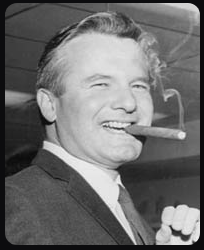
By the end of the ’64-’65 school year our peaceful cold-war existence was disrupted by Paul Hellyer’s Unification decision. Pa kept his job, but lost: his right to live on base in PMQs (Permanent Married Quarters) housing; his rank and attendant Mess benefits; and a substantial percentage of his pay. We moved off base and into a double story single family dwelling in nearby Belleville ON where we attended Our Lady of Fatima, for Grade 6, and progressed on to St Michael’s Academy for 7 & 8 and then next door to Nicholson Catholic College for Grades 9 to 11 before we informed our father he’d save money by not having to pay our Separate School fees and uniforms which needed dry cleaning once a month when we were allowed to wear “civilian” clothes. The Separate (but unequal) School System in Ontario was our first look at institutionalized prejudice. The so called Progressive Conservative provincial Govt of the late ’60s and early ’70s was headed by Bill Davis who had risen from MoE and worked hard to ensure that Separate schools were underfunded by not sharing out tax revenues equally.
Lies our founding father told us
Institutionalized racism in Kanata is as old as the advent of Europeans to the Coasts of North America. The continent was seen a vacant, virgin, unspoilt, ripe for the taking. By the time The British North American Act was passed by the House of Lords in London, England on July 1st 1867 the stage was set for the cultural assimilation of Canada’s First Nations. Indeed the prologue was already underway. Beauval Indian Residential School in Saskatchewan was started in 1860 more than six years before Confederation.
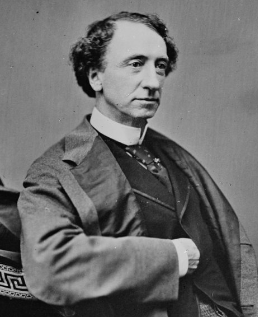
None other than Sir John A. Macdonald, the Father of Confederation rationalized, “When the school is on the reserve, the child lives with its parents, who are savages,and though he may learn to read and write, his habits and training mode of thought are Indian. He is simply a savage who can read and write… [I]ndian children should be withdrawn as much from the parental influence, and the only way to do that would be to put them in central training industrial schools where they will acquire the habits and modes of thought of white men.” The white saviour out to rid the noble savage of their savagery was the modus operandi.
Who’s your Daddy?
Three weeks ago Ian Hanomansing, while hosting Cross Country Checkup asked his coast to coast to coast and beyond audience what they felt were the causes of the murderous vehicular attack on the Muslim family in London Ontario. Listening from half the way around the world i was shocked when Ian named the alleged perpetrator of the quadruple murders. it was my understanding that modern journalists never name the perp, never give them the light of day, the spot-light of publicity. While everyone now knows who Derrick Chauvin is, he will best be remembered for the 22.5 years he was sentenced for the murder of Floyd George. Another thing that i found somewhat bizarre, but in a particularly Canadian, we’re too polite for our own good, fashion was the unwillingness of Hanomansing to steer the conversation towards the elephant in the room; or even to broach the subject. Whither came this Islamophobia that has steeped into the darkest corners of some Canadians’ hearts?

When he was Prime Minister Pierre Elliot Trudeau, at one point the world’s most eligible bachelor, is said to have discussed Canada’s relationship with our much more powerful neighbour to the south using a sexual metaphor, “when you sleep with an elephant, you have to be careful!” Obviously, one false move and the lesser of the lovers will be little more than a stain on the bedsheets. The United States, out guns, out trades, out powers anything Canada attempts to do. With a market ten times Canada’s it carries far more clout. Culturally it is disproportionally influential on the Canadian scene. This has caused Canada to raise barriers to enforce Canadian content laws in the arts to protect Canadian artists, writers and musicians.
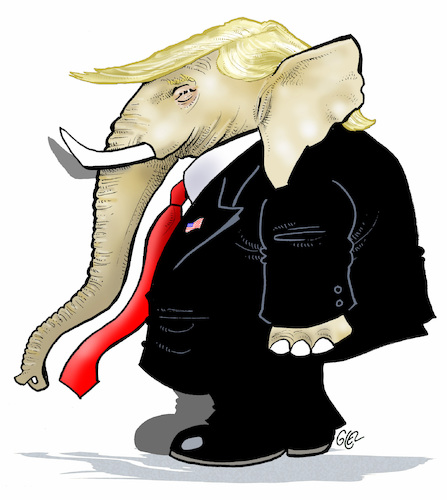
The proverbial elephant in the room i refer to is none other than former POTUS45 who spent the past 6 years minus 10 days leading up to the quadruple slaying spewing bile, hatred, racism, Islamophobia, sexism, fear, paranoia and insecurity across his country and around the entire globe. The Liar In Chief turned stoking othering into an art form as he constantly strove to break the bounds of common decency and polite society. He normalised hatred and rendered it quotidian. Surely it gave racists in Canada cover as they, no doubt, took shelter in the elephant shed built by the Orange Clown for his Cirque de Chicanery the GOP.
The othering of Asians in North America caused by the Whitehouse pronouncements of “The China Virus” and the “Kung Flu” have reached into the very heart of our family as our children, all currently resident in Canada have had to suffer the slings and arrows of outrageous racism directed towards them. Our daughter, Ayun, Assistant Manager of the Kerrisdale, Market Meats, boutique butchery outlet, has been Karened twice in the past few months by White-privledged bees with an itch who have a very hard time accepting that the small Asian woman serving them could possibly hold a position of responsibly in one of YVR’s most up-market charcuteries.
On the other side of the Rockies, My Three Sons (cue theme music) Riung, Rauth and Rining are living and working, when not Covid19 drawing pogy, in Cowtown. They frequently get asked if they’re Indian, or Native, or First Nations or even Mexican in what is, directly or indirectly meant as a slight by the questioner. They look different so they’re not to be trusted or accepted automatically into into mainstream Native Albertan (read White) society. One has to wonder how many generations will have to pass before the sins of the great-grandfathter and grand-father no longer have to visit the grand-children, great-grandchildren etcetera.
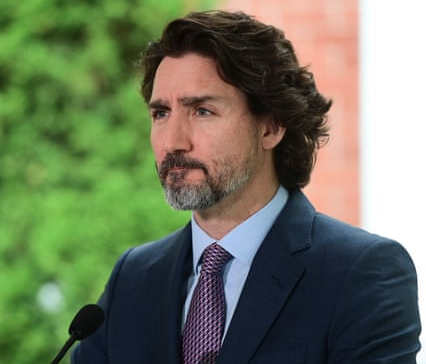
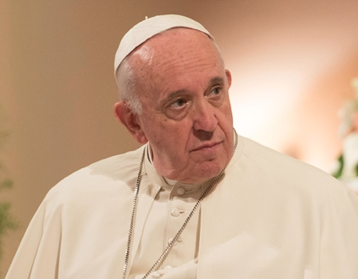
Canada’s latest Trudeau continues to call upon the Vatican and @Pontifex Francis to come to Canada and issue a formal apology to First Nations survivors of the Residential School system. This as new information comes out of how the students of the Residential Schools were nonconsenting human subjects in the 1940s and ’50s into the effects of starvation on the body.
My father, an anti-semetic ranter, on occasion let his actions speak louder than words. When an Ontario Munipical Board decision blocked the building of a mall in Belleville my father rose in response to people whining on the local call-in show. After speaking to our Ma he called in and gave his home phone number on-air. Ma fielded calls at home after Pa decided to stand-up to the OMB and the Belleville Citizens for Belleville Committee was born with the “Brave Little Tailor” setting up his folding card table on the downtown’s four corners in the middle of winter to collect signatures on a petition. The little group of concerned citizens eventually collected enough signatures to get the decision overturned.
Because his brothers had almost drowned him at the Montréal YMCA as a child by just tossing him into the pool and saying, “swim you bugger” he decided his children would all get formal swimming lessons. This led to my first “teaching” job as a volunteer swimming instructor in the Fall of 1970 after getting my first formal RCAC Physical Education and Recreation Instructor’s Certificate at CFB Borden (the very base where my father and his friend served a month of bread and water solitary confinement in the Military Prison upon return from their American hitch-hiking adventure). With money saved from teaching swimming during my teens i decided to take the then traditional end of high-school trip to Europe as a nineteen year old. i visited Dachau Concentration Camp near München and also visited Israel exactly a year after the 1973 October War, walking the Via Dolorosa in Jerusalam, and visiting Ein Gedi and Masada.
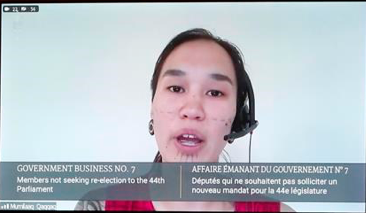
In recent weeks racism has come to the fore in Canadian politics with Mumilaaq Qaqqaq, Inuit NDP MP for Nunavut, resigning from the House of Commons using her official farewell to remind Parliament the HIStory of Canada is “stained with blood.” She detailed how she’d been treated like an interloper by security personal and felt belittled, “People like me don’t belong here…. The reality is that this institution and the country has been created off the backs, trauma and displacement of Indigenous People.”6

The Green end of the Canadian political spectrum is being torn asunder as a faction within the party are seeking to oust Leader Annamie Paul, who is both Black and Jewish. When she plays the race card the attackers cry “we’re not racist!” Who to believe: the POC under attack; or the White-privileged Brutus?
Canada is using Canada Day to come to grips with it’s past and present. How to carry on in the face of such overweening prejudice? Tears are definitely not enough. Nor, according to the spiritual shepherd of Sarawak’s Roman Catholics, are good wishes and prayers. These must be matched with action and deed. So i continue to tilt at windmills as a member of @TESOL_Assn, Teachers of English to Speakers of Other Languages’ Social Responsibility Interest Section, @SRIS_TESOL and TESOL’s Environmental Professional Learning Network, @enviro_TESOL.
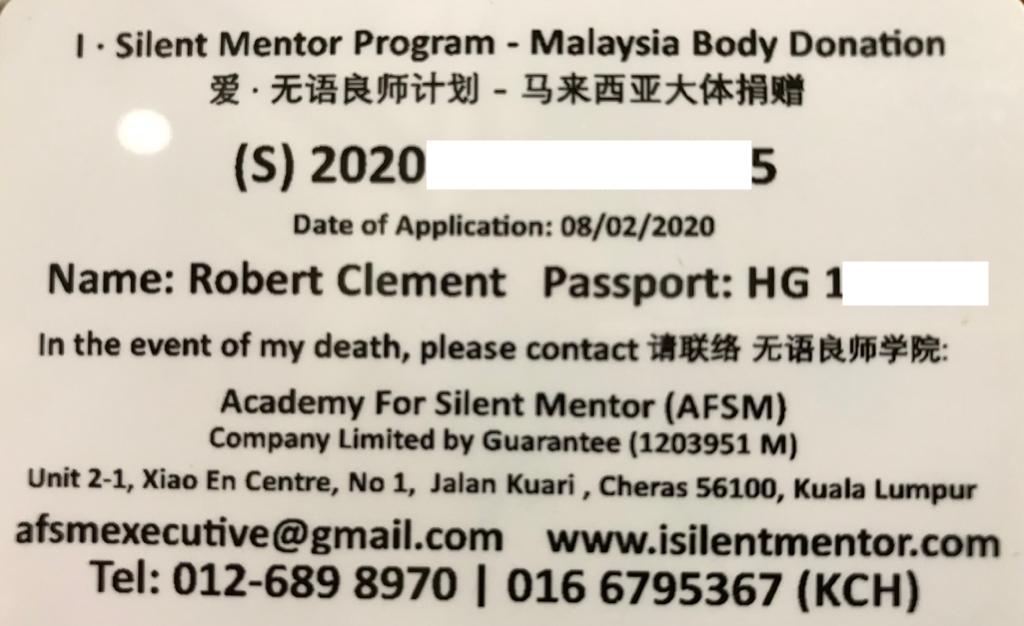
In the end i’ll take another page from my father’s book as i’ve already donated my body to become a “Silent Mentor” at nearby UNIMAS Medical School. My old man donated his body to McGill University. Even in death he was giving of himself.
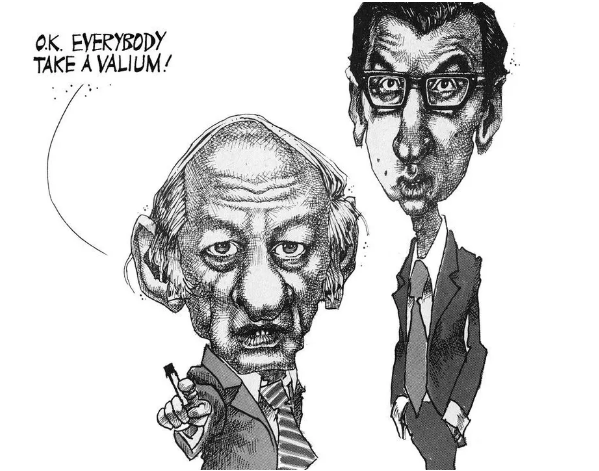
For the time being perhaps Terry Mosher’s 1973 admonition is a short-term solution.
For further reading: https://www2.uregina.ca/education/saskindianresidentialschools/
- https://www2.uregina.ca/education/saskindianresidentialschools/beauval-indian-residential-school/
- https://www.aptnnews.ca/national-news/182-unmarked-graves-located-on-ktunaxa-nation-territory-in-b-c/
- https://www.answers.com/Q/What_was_the_cause_of_the_Jewish_Diaspora
- https://encyclopedia.ushmm.org/content/en/article/the-final-solution
- https://add.albertadoctors.org/issues/special-issue-indigenous-health/guest-editorial/ccz
- https://www.winnipegfreepress.com/canada/canada-excoriated-as-racist-failure-during-farewell-speeches-by-departing-mps-574641042.html
Other Languages:
This is Français, actually it’s kinda more like Joual, the archaic dialect of French spoken in Québec for over 400 years and often ridiculed by les vrais Français de France. It’s my mother tongue, still spoken to a limited degree by my siblings and myself, none of whom married within the Québecois culture.
This is Po Tung Hwa, The People’s Language of The People’s Republic of China (otherwise referred to as Mandarin Chinese, a very high class dialect of Chinese). It is spoken and studied by over 1 billion ethnic Chinese in Mainland China and around the world by the Chinese diaspora. my partner is a Malaysian Chinese, Mandarin is not her mother-tongue; Hakka is. Hakka is the predominant language of the Kuching Hash House Harriers, a drinking club with a running problem, that i’m a proud member of. Any speaker of any dialect of Chinese will learn formal Po Tung Hwa if they attend Chinese medium schools anywhere in the world.
致我所有的穆斯林家人、朋友、邻居、同事、熟人和那些我还没有见过的穆斯林,我很抱歉。
我来自冰雪之地,很抱歉你不得不艰难地发现加拿大不是世界上最宜居的地方。真正的北方并不强大和自由。它既不是枫蜜和无限可能的土地,也没有充满笑脸、五颜六色的枫树和羽饰丝绒帽。在这片土地上,海狸切断了高速互联网线路,加拿大鹅到处拉屎。加拿大是一个非常不稳定的国家,大地之母正在崛起并进行反扑。zz
我打算在一周前的“父亲节”发布这篇信息。前一天是有史以来的第一个“六月节”;在加拿大的南部邻国,这一天是为了纪念奴隶制的正式结束,理论上是后种族美国社会的开始。哦,希望是这样。
在过去的几周里,我的家园和故土在动荡中四分五裂。首先,就在四个多星期前,原住民团体 Tk’emlúps te Secwépemc First Nation 在不列颠哥伦比亚省坎卢普斯印第安寄宿学校的一个乱葬坑中发现了 215 名儿童的遗骸。这所寄宿学校是罗马天主教会经营的众多学校之一,在这种情况下,是由无玷圣母献主会(Missionary Oblates of Mary Immaculate)在加拿大政府的支持下开办的。他们是怎么死的?他们为什么死?是什么导致了他们的死亡?为什么他们被埋葬在乱葬岗?我们还没有听到这些问题的答案。虽然加拿大(温哥华和西北地区)的两名罗马天主教大主教代表他们自己和他们的办公室道歉,但梵蒂冈表示遗憾但拒绝道歉。作为一名身体力行的罗马天主教徒,我感到很失落和非常失望。我自己的大主教,Simon Poh 阁下(砂拉越古晋)拒绝代表我联系罗马的教宗,教皇方济各,但试图让我了解他认为教会的立场,并劝我要有耐心。罗马天主教会并没有迅速采取行动。
上周,当在萨斯喀彻温省的 Marieval 印第安寄宿学校所在地发现了 751 个没有标记的坟墓时,便为原住民的这个事件火上浇油。坟墓的墓碑似乎是在社区中的牧师与当地部落议会发生争执时被移除的,所以他自己承担了移除墓碑并让坟墓不做标记的事情,这绝对是对死者的深深不敬的表现。很明显,寄宿学校嘲弄了“In Loco Parentis”。这在一个旨在摧毁土著习俗和风俗习惯的系统中,显然并没有执行照护义务。与此同时,原住民在不列颠哥伦比亚省不同原住民保护区的四次纵火行为完全摧毁了四个罗马天主教堂,这绝对是不安分的。
三周前,巧合的是,在06/06/21的基督圣体礼拜日,有一个穆斯林家庭晚上出去,在他们位于伦敦安大略省南部的住家附近的人行道上散步。刹那间,这一家人被一名年轻的加拿大白人驾驶的皮卡车故意撞倒并碾过,一个家庭就这样破碎了。 46 岁的 Salman Afzaal、他 44 岁的妻子 Madiha Salman、他们 15 岁的女儿 Yumna Afzaal 和 74 岁的 Salman 的母亲 Talat Afzaal ,都在警方称之为有针对性的这场恐怖袭击中被立即杀害。 Salman 和 Madiha 的 9 岁儿子 Fayez Afzaal 是唯一活着的家庭成员,最近才出院。
当我第一次听说这起凶残的汽车袭击事件时,我感到震惊、困惑和严重失望,这种令人发指的行为会发生在塑造我“奇妙岁月”的国家。我越想越生气。是什么让那个人有权对那些人这样做?我想要摇晃他,直到让他差点喘不过气来……我想猛烈抨击他,以其人之道还治其人之身。然后我想起了我作为一个对社会负责任的公民的承诺,在任何特定情况下始终选择非暴力回应。我读过圣雄甘地和耶稣基督的思想,发现他们明显比选择“以眼还眼”的作法要好。
但我离题了,’来自加拿大公共检察院的莎拉·谢赫告诉被告:“你现在被指控犯有四项一级谋杀罪。除了指控这些谋杀是有计划和蓄意的,进一步的指控是他们也构成恐怖主义。”
我很抱歉,很抱歉,对伊斯兰恐惧症的仇恨在我的家乡和祖国加拿大以如此可怕的方式抬头。令我深感悲痛的是,一个明显理性的人可能会反应过度,以至于他会发现自己想要谋杀一个可见的穆斯林家庭,而那时候他们只不过在 Covid19 与社会保持距离的状态下,在晚餐后外出散步锻炼身体而已。
一个人可以对其他人这样做是违反逻辑的。有什么可能会激怒一个年轻人,以至于他会驾上路边的皮卡车,并朝一个家庭撞过去?他为什么这么生气?他是在何时何地变得如此充满仇恨和胆怯,以至于他觉得自己有义务和有理由这样做?
尽管加拿大及其他地区正在进行令人心碎的追悼,但源自伊斯兰恐惧症的袭击仍在继续。上周两名穆斯林姐妹被袭击,其中一名被打昏;后来一名穆斯林男子也遭到袭击被打昏,并且被剃掉了胡须。所有这些恶毒的仇恨从何而来,为什么这些人在这个时候感到有能力采取行动?
我有一个理论:偏见、种族主义、歧视和其他,在我们这个物种中不会自然发生。不宽容不是天生的。它既不是在子宫内培育,也不是通过母乳从乳房中成型。我坚信,仇恨需要被 教导,用恐惧来喂养,用厌恶来激发,用悲惨的方式浇灌,它才能蓬勃发展,扩展和成长到它变得无所不知,把理性思维推到头脑之外,让它的主人从事像伦敦安大略省目睹的那样不假思索的野蛮行动,令人感到恐惧。
在马来西亚,有一句马来语说,它简明扼要地详细说明了为什么有人会出轨并做出如此应受谴责的事情,“dia kurang ajar!”从字面上看,“他们缺乏指导。”用这种表达直接指向某人将对他们的家庭造成巨大伤害,因为可以理解的是,他们的父母将首当其冲,承担他们孩子带来的行为后果,而这些行为反映了他们对孩子道德教育的缺失。因此,父母没有教好孩子,完全是他们的责任。无论是出于委托还是疏忽,他们的后代如何都是他们的错。
父亲对我说的谎言…
当我还是个孩子的时候,我记得我父亲在 RCAF 格林伍德裁缝店工作后回家。他满身散发尿味和醋味,口中抱怨警察“被犹太人操”,因为他们不愿意把制服留在队列中让他按着序列免费修理;他们认为他们可以在最后一刻插队,仗势欺人,然后排到队伍最前面。不过在我父亲的店里,情况并非如此。因此,他们会付钱给其他裁缝,裁缝会进行快速而令人讨厌的改动,但由于缝制不正确,这些改动将无法通过检查。反过来,这会让我的父亲看起来很糟糕,因为他是基地让飞行员和女飞行员看起来如何的负责人。
为什么我父亲支持反犹仇恨?他出生在股市崩盘前 的4 个月——1929 年 10 月的黑色星期五,当时他父亲蔬果店的零售额一夜之间被搜刮一空。我不禁开始怀疑他在经济萧条时期,在蒙特利尔所经历的婴儿期和童年,蒙特利尔是加拿大东正教犹太人最多的地方。我只能假设他对犹太人的痴迷来自他自己的父亲,他很可能认为大萧条是由试图操纵华尔街的犹太金融家造成的。把犹太金融家视为巫师和基督杀手是一个与基督教一样古老的比喻。然而,最初的犹太人散住各地发生在整整 2600 年前,当时“亚述人将以色列十个支派强行流放到了未知的地方”。 (1)这种流放的模式在 2500 年前再次出现,并在公元 68 年随着耶路撒冷原始圣殿和第二圣殿的毁坏而重演。对犹太人的恐惧和厌恶是西方文化中反复出现的一个非常普遍的主题,当希特勒在法西斯控制的欧洲发起“最终解决方案”(Endlösung)(2 )时,这种情况达到了顶峰。这种对犹太人的指责一直持续到今天。 1997年,马来西亚首相马哈迪·穆罕默德继续以金融操纵者的身份攻击犹太人。
我父亲9岁那年的加拿大充满了不宽容:臭名昭著的 S.S.圣路易斯,满载欧洲犹太难民的诅咒之船于 1939 年 5 月被哈利法克斯拒之门外,尽管早前蒙特利尔的主要犹太灯会发出请求。在加拿大西部,1941 年日本在轴心国一方的大火中出现,数千名日本血统的加拿大公民,包括年轻的大卫铃木(David Suzuki),未经审判就遭到任意拘留,失去自由、财产和尊重。这不是加拿大最好的时刻。我们忘记了 1923 年 7 月 1 日颁布的《中国移民法》,即我的孩子出生前六年,该法案禁止中国移民。
到 1946 年,“大一号”(Big One)正式结束。更积极的一点是,布魯克林道奇队的农场队蒙特利尔皇家队签下了杰基罗宾逊,杰基罗宾逊是第一位加入职业棒球常规阵容的黑人运动员。大约五年后,我的爸爸和他的一个魁北克朋友从加拿大皇家空军离开了。他们一起搭便车穿过吉姆克劳南部,发现南部黑人的热情好客,他们欢迎这两个来自蒙特利尔的法国加拿大小伙子,他们几乎不会说英语,进入他们的家、教堂和点唱机。他们很容易与美国军队区分开来,因为他们的蓝色夹克皇家空军制服和魁北克口音证明他们来自 42 号开始职业棒球生涯的城市。
尽管父亲非常公开和公然的反犹太主义,但他确保我们家的小书架上放着两本书,这些书将对他的骄傲和快乐产生持久的影响,也就是他唯一的男孩。其中一本是犹太医生 Miklós Nyiszli 的自传,讨论了他在波兰奥斯威辛纳粹集中营为 Mengele 博士所做的工作。它教会了我关于大屠杀的知识,这个话题在学校里是没有教过的。另一本书是约翰·霍华德·格里芬 (John Howard Griffin) 的《Black Like Me》。它的封面说明了一切。这两本书让我大开眼界,让我大吃一惊,因为我开始理解在我们都占据的这个“人类家园”上存在工业化规模的制度化不容忍现象。我不能真诚地说我们共享这个蓝色/绿色地球,因为 1% 的人拥有太多的东西,无法将这个分配称为“共享”。
在两个 RCAF 基地长大,即NS格林伍德的 Maratime 司令部和ON 特伦顿的航空运输司令部,我和三个姐妹在教室里学会了“躲避和掩护”,因为我们的位置在发生核战争时肯定是目标。在家里,我们爱上了阅读,因为爸爸的那个小书柜里主要装满了读者文摘这些书、法语经典小说和随机分类的毛钱小说,以及我提到的两本个人传记。此外,他还会从他所支持的 Cardinal Léger 慈善机构那里获得一份年度报告,其中附有饥饿儿童的照片,所以请你务必吃好晚餐。
1964 年,我和我的姐妹们就读于基地的 Little Breadner 公立学校。到第二年,我们的父亲开始意识到安大略省法律允许的独立学校系统的存在,选择让我们入读镇上的 RC 学校 St Mary’s。我清楚地记得当我们登上公共汽车时被新教孩子们滚雪球,这是我第一次因为我们不同而成为目标的经历。安大略省奥兰治市的舔猫者。值得注意的是,就在 1920 年代,Klu Klux Klan 在多伦多市中心公开举行了他们的白袍三党人( Klansmen)游行。
那年晚些时候,我们和平的冷战生活被 Paul Hellyer 的统一决定破坏了。 父亲保住了他的工作,但失去了住在基地PMQ(永久已婚宿舍)住房的权利、他的等级和他工资的很大一部分。我们搬离基地,搬到附近贝尔维尔ON 的一个双层单户住宅,在那里我们就读于圣母法蒂玛,就读 6 年级,然后升读圣迈克尔学院 7 和 8 年级,然后在隔壁的尼科尔森天主教学院就读 9 和 11 年级。在此之前,我们通知我们的父亲,他可以省钱,因为他可以不必支付我们独立学校(Separate School)的费用和需要每月干洗一次的制服,因为我们可以穿“平民”衣服了。安大略省的独立(但不平等)学校系统是我们第一次看到制度化的偏见。上世纪 60 年代末和 70 年代初的保守党省政府由比尔戴维斯领导,他从教育部毕业并努力工作,通过不公平分配税收来确保独立学校资金不足。
我们的国父告诉我们的谎言
卡纳塔的制度化种族主义与欧洲人来到北美海岸一样古老。人们看到这片大陆是一片空白、处女地、未受破坏、成熟的地方。到 1867 年 7 月 1 日英国伦敦上议院通过《英属北美法案》时,加拿大原住民文化同化的舞台已经搭建好了。事实上,序幕已经在进行中。萨斯喀彻温省的博瓦尔印第安寄宿学校始建于 1860 年,比联盟早了六年多。
联盟之父约翰·A·麦克唐纳爵士(Sir John A. Macdonald)解释道:“当学校处于保留地时,孩子就和野蛮的父母住在一起,虽然他可能会学习阅读和写作,但他的习惯和训练方式造成他在思想上是印第安人。他只是一个会读会写的野蛮人…… [印第安] 孩子应该尽可能远离父母的影响,唯一的办法就是把他们放在中央培训工业学校里,他们将获得白人的习惯和思维方式。”这就是白人救世主为了摆脱野蛮人的野蛮行径所做自以为高贵的作案手法。
你爸爸是谁?
两周前,伊恩·哈诺曼辛 (Ian Hanomansing) 在主持 Cross Country Checkup 时,询问他从此岸到彼岸的观众,他们认为伦敦安大略省穆斯林家庭遭到凶残的车辆袭击的原因是什么。当伊恩道出四人谋杀案的肇事者名字时,我从地球的另一端感到震惊。我的理解是,当代记者从不说出罪犯的名字,也从不给他们曝光、宣传的聚光灯。虽然现在每个人都知道德里克·肖文是谁,但他因谋杀弗洛伊德·乔治而被判 22.5 年的牢狱之灾最值得铭记。我发现的另一件事有些奇怪,在特别是加拿大的人群中,我们对自己太客气了,电视记者Hanomansing 似乎对问题视而不见,不愿带领群众正视问题——那个房间里的大象。这种已经深入一些加拿大人内心最黑暗角落的伊斯兰恐惧症从何而来?
当皮埃尔·埃利奥特·特鲁多 (Pierre Elliot Trudeau)担任总理时,据说他曾是世界上最有条件的单身汉,曾用性隐喻讨论加拿大与我们更强大的南方邻国的关系,“当你和大象睡觉时,你必须小心!”显然,一个错误的举动和小情人将只不过是床单上的污渍。美国,无论在枪支、贸易还是权利,都远超过加拿大。它的市场是加拿大的十倍,其影响力要大得多。从文化上讲,它对加拿大的影响不成比例。这导致加拿大提高了执行加拿大艺术内容法以保护加拿大的画家、音乐家和作家。
我提到的房间里众所周知的大象正是前 POTUS45,他在过去 6 年零 10 天的时间里在他的国家和世界各地使以下问题层出不穷——仇恨、种族主义、伊斯兰恐惧症、性别歧视、恐惧、偏执和不安全感。首席骗子将煽动他人变成了一种艺术形式,因为他不断努力打破普通礼节和上流社会的界限。他将仇恨正常化并使其变得司空见惯。毫无疑问,他为加拿大的种族主义者提供了掩护,因为他们在橙色小丑建造的大象棚中避难。
因白宫宣布“中国病毒”和“功夫流感”而导致的北美亚洲人异化,这个观念已经深入我们家庭的核心,严重影响我们的孩子,所有目前居住在加拿大的人都不得不忍受对他们进行无耻的种族主义。我们的女儿 Ayun 是 Kerrisdale, Market Meats 精品屠宰店的助理经理,在过去的几个月里,她两次被白色特权的“蜜蜂”打得发痒,他们很难接受为他们服务的亚洲小女人可以在最高档的熟食店之一YVR担任重要的职位。
在落基山脉的另一边,我的三个儿子(提示主题音乐)Riung、Rauth 和 Rining 在 Cowtown 生活和工作。他们经常被问到他们是不是印第安人、原住民、第一民族还是墨西哥人,直接或间接地被提问者轻视。他们看起来不同,因此不会被信任或被自动接受进入主流的阿尔伯塔原住民(白人)社会。人们不得不想知道要经历多少代,曾祖父和祖父的罪恶才能不至于波及到孙子、曾孙等身上。
加拿大最新的特鲁多继续呼吁梵蒂冈和方济各来加拿大,向寄宿学校系统的原住民幸存者正式道歉(5)。我的父亲,一个反语义的咆哮者,有时会让他的行为胜于雄辩。当安大略市政委员会决定阻止贝尔维尔建造一座购物中心时,我父亲站起来回应人们在当地电话节目中的抱怨。在与我们的母亲交谈后,他打来电话并在直播中提供了他的家庭电话号码。在爸爸决定站出来反对 OMB 之后,母亲在家里接到了电话,贝尔维尔委员会的贝尔维尔公民诞生了,勇敢的小裁缝在隆冬时分在市中心的四个角落设置了他的折叠卡桌。一小群关心的公民最终收集了足够的签名来推翻这个决定。
因为他的兄弟们在蒙特利尔基督教青年会当他还是个孩子的时候,把他扔进游泳池并说“游泳吧!你这个混蛋”差点把他淹死,他从此决定让他的孩子们都参加正式的游泳课。这导致我在 1970 年秋天在 CFB Borden(我父亲和他的朋友自美国搭便车冒险返回后曾在此被罚单独监禁)获得了我的第一个合格体育和娱乐教练证书后,成为了我的第一份“教学”工作。以我十几岁的时候教游泳省下的钱,我决定在 19 岁时参加当时传统的欧洲高中毕业旅行。我参观了慕尼黑附近的达豪集中营和在 1973 年十月战争整整一年之后访问了以色列,步行穿过耶路撒冷,并参观了恩戈地和马萨达。
面对如此傲慢的偏见,如何继续下去?眼泪肯定是不够的。根据砂拉越罗马天主教徒的属灵牧羊人的说法,良好的祝愿和祈祷也不是。这些必须与行动和作为相匹配。所以我继续参与英语教师和其他语文教师的组织,委身于社会责任利益组执行委员会的成员,并且投身@SRIS_TESOL 和环境专业学习网络。
最后,我将从我父亲的书中再翻一页,因为我已经捐赠了我的身体,成为附近 UNIMAS 医学院的“沉默导师”。我的父亲把他的遗体捐给了麦吉尔大学。即使在死亡中,他也在奉献自己。
“好吧大家,服用镇定剂”,蒙特利尔公报漫画家艾斯林的著名漫画,创作于魁北克党第一次赢得权力后的第二天。
——罗布克莱门特
This is Hausa – spoken in Northern Nigeria by the dominant Hausa tribe. my first formal language teaching job was in Teacher’s College Potiskum in the N.E. where i worked for 2.5 years as a CUSO/SUCO volunteer/cooperant from January 1979-June ’81.
Zuwa ga dukkan dangi na musulmai, abokai, maƙwabta, abokan aiki, abokai da waɗancan musulmin ban same su ba tukuna, yi haƙuri.
Na zo daga ƙasar kankara da dusar ƙanƙara kuma ina baƙin ciki da cewa dole ne ku gano hanya mai wuya Kanada ba wuri mafi kyau a duniya ba. Arewa ta gaskiya bata da karfi kuma bata kyauta ba. Ba ƙasa ce ta maple syrup da damar da ba ta da iyaka ba kuma ba ta cika da fuskoki masu murmushi, bishiyoyi masu launi iri iri da toques ba. Isasa ce inda masu siyar da bea suka datse layukan intanet mai sauri da Kanada tsintsiya madaurinki ɗaya a ko’ina. Kanada ƙasa ce da ke kashe-kashe, Uwar Halitta kanta tana tasowa tana turawa baya.
na yi niyyar buga wannan makon da ya gabata a “Ranar Uba”. Ranar da ta gabaci wannan ita ce farkon “Juneteenth”; Ranar da za a tuna, a makwabcin Kudancin Kanada, ƙarshen bautar a hukumance kuma, bisa ƙa’ida, farkon zamantakewar Amurkawa bayan fatar launin fata. Da ma hakan ta kasance.
Tsawon makonnin da suka gabata gidana da asalin ƙasar ta kasance cikin rikici. Na farko, sama da makonni huɗu da suka gabata, binciken da Tk’emlúps te Secwépemc Nation ta farko ya yi, na ragowar yara 215 a cikin kabarin kabari a Kamloops Indian Makarantar Zama, a British Columbia. Makarantar kwana tana daya daga cikin da yawa da cocin Roman Katolika ke gudanarwa, a wannan yanayin ta mishan mishan na Mary Immaculate, tare da albarkar Gwamnatin Kanada. Ta yaya suka mutu? Me yasa suka mutu? Me yayi sanadin mutuwarsu? Me yasa aka binne su a babban kabari? Har yanzu ba mu ji amsoshin waɗannan tambayoyin ba. Yayinda Archbishop din Roman Katolika biyu a Kanada (Vancouver & North West Territories) suka nemi gafara a madadin kansu da ofisoshin su, Vatican ta nuna nadama amma ta ki bada hakuri. A matsayina na mai bin tafarkin Katolika na Katolika na yi baƙin ciki ƙwarai da gaske. Archbishop na na kansa, Grace Simon Poh (Kuching, Sarawak), ya ƙi tuntuɓar Uba mai tsarki a Rome, Mai Alfarma Paparoma Francis, a madadina, amma ya yi ƙoƙarin cika ni a kan abin da yake ganin matsayin Cocin yake kuma yana da yi mani nasiha da in yi haƙuri. Cocin Roman Katolika baya motsi da sauri.
Wasarin man an kara shi a gobarar Nationsasashen Farko a wannan makon da ya gabata lokacin da aka gano kaburbura 751 da ba a yi musu alama ba a wurin da makarantar Marieval Indian Makarantar Zama ke a Saskatchewan. Da alama an cire kawunan kaburburan lokacin da firist a cikin yankin ya sami sabani da majalisar kabilun yankin don haka ya ɗauki nauyin cire kawunan tare da barin kaburburan ba tare da alama ba, tabbas alama ce ta rashin girmamawa ga Mai Deauna. Ya bayyana sarai cewa Makarantun Yanki sun yi ba’a na “In Loco Parentis”. Babu bayyanannen Aikin Kulawa da ake aiwatarwa a cikin tsarin da aka tsara don halakar da morean asalin andan asalin ƙasar da kuma wuraren tafiya. A halin yanzu ‘Yan ƙasar ba su da nutsuwa tare da aiwatar da kone-kone guda huɗu da ke lalata majami’un Roman Katolika guda huɗu a kan wasu wuraren ajiyar na First Nation a British Columbia.
Makonni uku makonni da suka gabata, kwatsam, a ranar Corpus Christi Lahadi 06/06/21, wani dangin musulmai sun fita yawon maraice a gefen titi kusa da gidansu a Landan, kudancin Ontario. Nan da nan dangin suka tarwatse yayin da gangan suka yi karo da wata motar daukar kaya ta wani saurayi Bature farar fata. Salman Afzaal, 46, matarsa Madiha Salman, 44, ‘yarsu Yumna Afzaal, 15, da mahaifiyar Salman, Talat Afzaal, 74, duk an kashe su nan take a cikin abin da’ yan sanda ke kira a yanzu harin ta’addanci. Yaron Salman da Madiha dan shekara 9, Fayez Afzaal, shi kadai ne dangin da suka rage a raye, ba da jimawa ba aka sake shi daga asibiti.
Lokacin da na fara jin labarin harin da aka kai da mota, na yi matukar kaduwa, na rikice kuma na yi takaicin ganin irin wannan mummunan aikin na iya faruwa a kasar da ta sifanta ni a lokacin “Shekarun Al’ajabin”. Iarin da na yi tunani game da shi fushin ya kara zama? Me ya ba wannan mutumin damar yin hakan ga waɗannan mutanen? Ina so in dauke shi in girgiza shi cikin lumfashin gashi … ina so in yi laushi in bashi dandano nasa maganin. Daga nan sai na tuna da alƙawarin da na yi, a matsayina na ‘yan tawayen da suka dace da zamantakewar al’umma, don zaɓar martani mara tashin hankali ga kowane irin yanayi. Na karanta tunanin Mahatma Ghandi da na Yesu Kiristi iri ɗaya kuma na same su da kyau fiye da tafiya kan ‘ido don ido’.
Amma ina takaitawa, ‘Sarah Shaikh, daga Ofishin shigar da kara na Kanada, ta gaya wa wanda ake tuhumar: “Yanzu ana tuhumar ku da aikata laifuka hudu na kisan farko. Baya ga zargin cewa an shirya wadannan kashe-kashen da gangan, da karin zargin shi ne cewa su ma sun zama ta’addanci. “‘
Yi haƙuri, ku yi nadama, ƙiyayyar kyamar Islama ta tayar da mummunan halin ta cikin mummunan yanayi a cikin gidana da ƙasata ta asali, Kanada. Abin yana bani tausayi matuka cewa mutum mai hankali zai iya yin girman kai har ya sami kansa a cikin sha’awar kisan dangin musulmai bayyane yayin da suke tafiya a kan hanyar Covid19 mai nisan gaske tsakanin jama’a don motsa jiki bayan cin abincin dare.
Cewa dan adam zai iya yin hakan ga sauran mutane ya sabawa hankali. Me zai iya fusata wani saurayi har ya tsallake abin da ya ɗebo daga kan hanya da laulayi cikin dangi? Me yasa yayi fushi haka? Yaushe kuma a ina ne ya cika da ƙiyayya da zafin jini har ya ga ya zama tilas kuma ya cancanta da yin wannan?
Wadannan hare-haren na kyamar Islama sun ci gaba duk da neman ɓacin rai da ke gudana a cikin Kanada da ƙetarenta. Rushe masallacin Edmonton tare da swastika mai fesawa a tsakiyar watan Yuni. Harin da aka kai makon da ya gabata a kan ‘yan’uwa mata biyu Musulmai daya daga cikinsu an buge ta a sume; harin da aka kaiwa mutumin musulmin wanda shima aka buge shi a sume sannan aka rage masa gemu. Daga ina duk wannan mummunan ƙiyayya ya fito kuma me yasa waɗannan mutane suke jin an basu ikon aiwatarwa a wannan lokacin?
Ina da ka’idar cewa nuna wariya, wariyar launin fata, wariya da sauran abubuwa ba sa faruwa a dabi’ance a cikin jinsinmu. Rashin haƙuri ba na asali bane. Ba a kula da shi a cikin mahaifa, ko shayarwa daga nono ta madarar uwa. Na yi imanin cewa dole ne a koyar da ƙiyayya, a ciyar da ita tare da tsoro, haɓaka da ƙyama, da kuma shayar da baƙin ciki don ta bunƙasa, faɗaɗawa da girma har ta kai ga ya zama mai cinyewa kuma ya tura tunani mai ma’ana daga cikin hankali, yana barin mai masaukinsa tsunduma cikin mummunan aiki irin na wanda London, Ontario ta gani, da yawan firgita.
A cikin Malesiya akwai wani yare na Malay da ke cewa cikakkun bayanai a taƙaice me ya sa wani zai fita daga layin dogo ya yi abin da ba zai yiwu ba, “dia kurang ajar!” A zahiri, “sun rasa koyarwa.” Jagorar wannan furucin ga wani shine yiwa danginsu mummunan rauni kamar yadda aka fahimci cewa iyaye suna ɗaukar nauyin nauyin halayen ɗalibansu kuma waɗannan ayyukan suna nuna haɗin kansu a cikin tarbiyyar ɗansu. Don haka iyaye gaba daya suna da laifi tunda basu koyar da yaransu da kyau ba. Laifin su ne yadda aka ba su damar juya yadda suka yi ko ta hanyar kwamiti ko watsi da su.
Karyar da mahaifina yayi min …
Lokacin da nake karama zan iya tuna mahaifina ya dawo gida daga wahalar da ya sha a RCAF Greenwood Shagon Tela. Yana cike da jin haushi da ruwan inabi kuma ya zage damtse game da yadda jami’ai ke “tsotsewa da yahudawa” saboda ba sa son barin kakin sojan su a cikin jerin gwano don shi ya gyara kyauta a agogon Gwamnati, suna ganin za su iya shigowa a karshe lokacin kuma, ta hanyar jan layi, matsa zuwa gaban layin. Ba haka lamarin yake ba a shagon mahaifina ba. Don haka za su biya masu dinki, daga tushe, wadanda za su yi sauye-sauye masu saurin gaske, wanda zai kasa dubawa saboda ba a dinke su daidai ba. Wannan, bi da bi, zai sa tsoho na ya zama mara kyau saboda shi ne asalin telan da ke da alhakin yadda aka fitar da matan iska da mata.
Me yasa mahaifina ya goyi bayan cin amanar yahudawa? An haife shi watanni 4 kafin faduwar kasuwar hannun jari ta Baƙi Alhamis, a watan Oktoba 1929, wanda ya ga yadda shagon ‘ya’yan itace da kayan marmari na kantin mahaifinsa ya shafe a daren. Ba zan iya fara mamakin yarinta da yarinta da ya fuskanta a zamanin Montréal ba, gida mafi yawan jama’ar yahudawan Orthodox a Kanada. Abin sani kawai zan iya ɗauka cewa ya samo ra’ayinsa game da yahudawa ne daga mahaifinsa wanda yake da alama yana tunanin ressionaddamarwar ta samo asali ne daga masu ba da kuɗi na yahudawa da ke ƙoƙari su yi amfani da Wall Street. Masu ba da kuɗi na yahudawa azaman masu sihiri da kuma masu kisan gillar Christ ne wanda ya tsufa kamar Kiristanci.
Koyaya, asalin yahudawa na asali sun faru ne cikakke shekaru 2600 da suka wuce lokacin da ‘Assuriyawa suka tilasta kabilun Israilawa goma zuwa wuraren da ba a sani ba’. 1 An sake maimaita yanayin al’adar shekaru 2500 da suka gabata sannan kuma a CE 68 tare da halakar da Gidaje na Asali da na Biyu a Urushalima. Tsoro da ƙyamar yahudawa magana ce ta yau da kullun da aka maimaita a al’adun Yammacin duniya wanda ya kai ga koli a cikin Facist ke iko da Turai lokacin da Hitler ya ƙaddamar da “Magani na ”arshe” (Endlösung) 2. Wannan zargin na yahudawa ya ci gaba har zuwa yau. Mohammed ya ci gaba da doke Bayahuden a matsayin mai jan damarar kudi.
Kanada na mahaifina ɗan shekara 9 ya kasance cikin rashin haƙuri: mashahuri S.S. St Louis, Jirgin thean Ruwa wanda ya cika da Turawan yahudawa ‘yan gudun hijira an juya shi daga Halifax a cikin Mayu na 1939 duk da roƙe-roƙen manyan fitilun yahudawa na Montréal. A Yammacin Kanada zuwan Japan a gefen Axis na wuta a 1941, ya ga dubun-dubatar ‘yan asalin Kanada’ yan asalin Japan, gami da wani saurayi David Suzuki, an tsare su ba tare da fitina ba, an rasa ‘yanci, dukiya da girmamawa. Wannan ba Kanada mafi kyawun sa’a bane. Kuma mun manta da Dokar Shige da Fice ta kasar Sin ta ranar 1 ga Yuli, 1923, shekaru shida kafin a haifi tsohona, wanda ya hana shige da fice na kasar Sin.
Zuwa 1946 “Babban Daya” ya kasance bisa hukuma. A wani bayanin da ya fi dacewa, Montreal Royals, ƙungiyar gonar Dodgers ta Brooklyn, ta sa hannu kan Jackie Robinson, ɗan wasa na farko Baƙi wanda ya shiga sahun yau da kullun a ƙwallon baseball. Shekaru biyar ko haka daga baya Pa na ya tafi AWOL daga RCAF tare da abokin auren sa na Quebecois na sa. Tare suka shiga cikin tafiya ta cikin Jim Crow kudu kuma suka gano baƙuwar baƙar fata ta kudu waɗanda suka yi maraba da waɗannan twoan Faransawan Kanada biyu daga Montréal, waɗanda ba su iya Turanci sosai, a cikin gidajensu, majami’u da gidajen juke. Sun kasance cikin sauƙin rarrabewa daga sojojin Amurkan kamar yadda tufafinsu masu launin shuɗi RCAF da lafazin Québecois ya tabbatar da cewa sun kasance daga garin inda A’a. 42 ya fara aikinsa na wasan ƙwallon ƙafa.
Duk da tsananin nuna adawa da nuna wariyar launin fata da Pa ya nuna kuma ya tabbatar da ƙananan littattafan gidanmu sun riƙe littattafai guda biyu waɗanda za su kasance da tasiri mai ɗorewa alfaharinsa da farincikin sa, ɗan shi kaɗai. Oneaya, tarihin rayuwar likitan Bayahude, Miklós Nyiszli, ya tattauna game da aikin da ya yi wa Dr Mengele a sansanin taro na Nazi na Auschwitz, Poland. Ya koya mani game da Holocaust, batun da ba a koyar da shi a makaranta ba. Sauran tome shine “Baƙi Kamar Na” John Howard Griffin ne. Murfin sa ya gaya ma kowa. Waɗannan littattafan biyu sun buɗe idona kuma sun hura tunanina yayin da na fara fahimtar wanzuwar rashin haƙƙin gwamnati a kan sikeli na masana’antu a kan wannan “Terre des Hommes” da muke zaune duka. ba zan iya ba, da kyakkyawar imani mun ce mun raba wannan shuɗin / shuɗin duniya kamar yadda kashi 1 cikin 100 suna da yawa da yawa don kiran rarraba “rabawa”.
An ɗaga shi a kan sansanonin RCAF guda biyu, Maratime Command a Greenwood, NS da kuma Umurnin Jirgin Sama a Trenton ON myan uwana mata kuma na koyi “Duck & Cover” a cikin ajujuwanmu saboda tabbas wurarenmu ana niyya ne yayin yaƙin nukiliya. A gida mun sami sha’awar karatu saboda Pa yana da ƙaramar akwatin nan cike da littattafan Reader’s Digest takaita littattafai, wasu litattafan Faransa da bazuwar littattafai masu tsada, da kuma bios ɗin da na ambata. Bugu da kari akwai rahoton shekara-shekara da zai samu daga sadaka ta Cardinal Léger da yake tallafawa cikakke tare da hotunan yara masu yunwa, don haka ku tabbata kun ci abincin abincinku.
A cikin 1963-64 ni da ‘yan’uwana mata mun halarci Makarantar Makarantar Little Breadner a kan tushe. Har wala yau ina iya tuna jin labarin kisan JFK a Dallas yayin da nake tafiya daga makaranta da wata rana da yamma. Zuwa shekarar karatu ta gaba mahaifinmu, sabon sane da kasancewar Tsarin Makarantar Rabe da aka yarda dashi a ƙarƙashin doka a Ontario, an zaɓe shi don ya saka mu a St Mary’s, makarantar RC a cikin gari. Zan iya tunawa a fili yadda yaran Furotesta suka yi dusar ƙanƙara yayin da muke hawa matakan shiga motar bas, farkon abin da na fara fuskanta saboda mun bambanta. Masu ba da lasisin kyanwa a cikin Furotesta Ontario. Yana da mahimmanci a lura cewa kwanan nan kamar yadda 1920s Klu Klux Klan suka fito fili suka gudanar da jerin gwanon fararen tufafi na Klansmen a cikin garin Toronto.
Daga baya a waccan shekarar yankewar Paul Hellyer ta tarwatsa rayuwarmu ta sanyi-cikin lumana. Pa ya ci gaba da aikinsa, amma ya rasa haƙƙin zama a cikin gidajen PMQs (Dindindin na Auren Quater), matsayinsa da kuma yawan kuɗin da yake biya. Mun tashi daga tushe kuma cikin gida guda biyu masu zaman gida guda a kusa da Belleville ON inda muka halarci Uwargidanmu ta Fatima, don Darasi na 6, kuma muka ci gaba zuwa St Michael’s Academy don 7 & 8 sannan kuma kusa da Kwalejin Katolika ta Nicholson don Makaranta 9 zuwa 11 kafin mu sanar da mahaifin namu cewa zai yi ajiyar kuɗi ta hanyar rashin biyan kuɗin Rabon Makarantarmu da kayan ɗamara waɗanda suke buƙatar tsabtace bushewa sau ɗaya a wata lokacin da aka ba mu damar sanya tufafin “farar hula”. Rabuwa (amma ba daidai ba) Tsarin Makaranta a Ontario shine farkon kallonmu game da nuna wariya. Gwamnatin lardin Conservative ta ƙarshen ’60s da farkon’ 70s tana ƙarƙashin jagorancin Bill Davis wanda ya tashi daga Ma’aikatar Ilimi kuma ya yi aiki tuƙuru don tabbatar da cewa an keɓance makarantun ware ta hanyar raba kudaden haraji daidai.
Karya mahaifin mu ya fada mana…
Tsarin wariyar launin fata a cikin Kanata ya tsufa kamar zuwan Turawa zuwa Yankin Arewacin Amurka. An ga nahiyar babu kowa, budurwa, wacce ba a bayyana ta ba, cikakke don ɗauka. A lokacin da House of Lords a Landan, Ingila a ranar 1 ga Yuli 1867 aka zartar da Dokar Burtaniya ta Arewacin Amurka ta zama matakin da aka tsara na hade al’adun kasashen Farko na Kanada. Lallai gabatarwa ya riga ya gudana. Beauval Indian Residential School a Saskatchewan an fara ta a 1860 sama da shekaru shida kafin Hadin Kai.
Babu wanin Sir John A. Macdonald, Mahaifin edeungiyoyi ya ba da ma’ana, “Lokacin da makarantar ke ajiye, yaro yana zaune tare da iyayensa, waɗanda ke da dabbanci, kuma kodayake yana iya koyon karatu da rubutu, halaye da yanayin horo. Tunani Ba’indiye ne, dan kawai dan iska ne wanda ya iya karatu da rubutu … [I] yara mata yakamata a janye su daga tasirin iyaye, kuma hanya daya tilo da za a bi a sanya su a makarantun horar da manyan masana’antu. za su mallaki halaye da halaye na tunanin fararen fata. ” Farin mai ceto ya kori kyawawan dabarun dabbancinsu shine yanayin aikin.
Wanene Babanka?
Makonni biyu da suka gabata Ian Hanomansing, yayin da yake karbar bakuncin Binciken Ketare na Kasa ya nemi yankin nasa zuwa gareshi zuwa bakin teku da kuma bayan masu sauraro abin da suka ji shi ne musababbin harin wuce gona da iri kan dangin Musulmi a Landan Ontario. Saurara daga rabin hanyar a duk duniya ban yi mamakin lokacin da Ian ya ambaci wanda ya yi alkawarin aikata laifin kisan gillar ba. Abinda na fahimta shine yan jaridan zamani basa taba kiran sunan su, kuma kar su basu hasken rana, hasken talla ne. Duk da yake kowa yanzu ya san waye Derrick Chauvin, za a fi tuna shi tsawon shekaru 22.5 da aka yanke masa hukuncin kisan Floyd George.
Wani abin da na ga abin ban mamaki ne, amma a cikin Kanada musamman, muna da ladabi don amfanin kanmu, salon shine rashin yarda Hanomansing ya jagoranci tattaunawar zuwa giwar a cikin ɗakin; ko ma don magance batun. A ina aka zo wannan kyamar Islama wacce ta kutsa kai cikin duhun zukatan wasu ‘yan Kanada?
Lokacin da yake Firayim Minista Pierre Elliot Trudeau, a wani lokaci mafi cancanta a duniya, an ce ya tattauna alaƙar Kanada da maƙwabcinmu mafi ƙarfi a kudu ta amfani da wata magana ta jima’i, “idan za ku kwana da giwa, dole ku yi hankali! ” A bayyane yake, motsin karya guda ɗaya da ƙarancin masoya ba zai wuce ƙazanta a ɗakunan gado ba.
(Asar Amirka, daga bindigogi, ta mallaki duk wani abin da Kanada ke son yi. Tare da kasuwa sau goma Kanada yana ɗaukar mafi ƙarancin ƙarfi. A al’adance yana da tasiri sosai a yanayin Kanada. Wannan ya haifar da Kanada tayar da shinge don aiwatar da dokokin abun ciki na Kanada a cikin zane don kare masu fasahar kanada, marubuta, mawaƙa da dai sauransu.
Giwan karin magana a cikin ɗakin da na ambata ba wani bane face tsohon POTUS45 wanda ya kwashe shekaru 6 da suka gabata ya rage kwanaki 10 wanda ya kai ga kisan yan biyun da ke zubar da ƙwarji, ƙiyayya, wariyar launin fata, kyamar Islama, jima’i, tsoro, tashin hankali da rashin tsaro a duk faɗin ƙasar sa da a duk duniya. Maƙaryaci a cikin Babban ya juya sting other zuwa cikin fasaha yayin da yake ƙoƙari koyaushe don keta iyakoki na ɗabi’a da ladabi na gari. Ya daidaita ƙiyayya kuma ya mayar da ita Quidian. Tabbas hakan ya baiwa ‘yan wariyar launin fata a Kanada kariya yayin da, babu shakka, suka nemi mafaka a cikin giwayen da Giwar Lemu Wawa ta gina.
Sauran mutanen Asiya a Arewacin Amurka sanadiyyar sanarwar Whitehouse ta “Cutar Sin” da “Kung Flu” sun shiga cikin zuciyar danginmu kamar yaranmu, duk mazaunan Kanada a halin yanzu sun sha wahala da yankan da kiban na nuna wariyar launin fata da aka nuna musu. Yarinyarmu, Ayun, Mataimakiyar Manajan Kamfanin Kerrisdale, Kasuwancin Kasuwa, kantin sayar da kantin sayar da kaya, an Karened sau biyu a cikin monthsan watannin da suka gabata ta hannun Whitean farin Fari tare da ƙaiƙayi wanda yake da wahalar gaske yarda da ƙaramar matar Asiya mai yi musu hidima. mai yuwuwa riƙe matsayi na ɗawainiya a ɗayan mafi kyawun kayan kasuwancin YVR.
A wani gefen Rockies, ‘Ya’yana Uku (waƙar jigon taken) Riung, Rauth da Rining suna rayuwa kuma suna aiki, lokacin da ba Covid19 zane zane ba, a Calgary. Sau da yawa ana tambayarsu idan ba’indiye ne, ko ativean asalin ƙasar, ko Nationsasashen Farko ko ma na Meziko a cikin abin da ake nufi, kai tsaye ko a kaikaice wanda ake tambaya yake ɗan kaɗan. Suna da banbanci don haka kar a yarda dasu ko kuma yarda dasu ta atomatik zuwa cikin Nan asalin Albertan (karanta Fari).
Mutum ya yi mamakin ƙarni nawa za su wuce kafin zunuban babban-kaka da uba ba za su sake ziyartar jikoki-jikoki, jikoki da sauransu ba.
Sabuwar Trudeau ta Kanada ta ci gaba da kira ga Vatican da @Pontifex Francis da su zo Kanada kuma su ba da uzuri na yau da kullun ga waɗanda suka tsira na Tsarin Makaranta na zama5. Mahaifina, mai saurin zafin rai, a wasu lokuta yakan bar ayyukansa suyi magana da ƙarfi fiye da kalmomi. Lokacin da shawarar Hukumar Munipical ta Ontario ta hana ginin wata babbar kasuwa a Belleville mahaifina ya tashi don mayar da martani ga mutanen da ke gunaguni game da kiran-kiran gida. Bayan ya yi magana da Ma sai ya kira ya ba lambar wayarsa ta gida. Ma ya gabatar da kira a gida bayan Pa ya yanke shawarar tsayawa ga OMB kuma an haifi Belleville ɗan ƙasa na Belleville Kwamitin tare da Brave Little Tailor da ke saita teburin katin sawa a kan kusurwa huɗu na cikin gari a tsakiyar hunturu. Groupungiyar ƙaramar ƙungiyar ‘yan ƙasa da ke damuwa daga ƙarshe sun tattara isassun sa hannu don yanke shawarar ta soke.
Saboda ‘yan’uwansa sun kusan nutsar da shi a Montréal YMCA tun yana yaro kawai ta jefa shi cikin ruwan da cewa, “iyo ku bugger” ya yanke shawarar yaransa za su sami darasi na wasan ninkaya. Wannan ya haifar min da aikin “koyarwa” na farko a matsayin malama mai ba da gudummawa ta agaji a faduwar 1970 bayan na sami Takardar shedar Ilimin Jiki da Nishadi a CFB Borden (asalin wurin da mahaifina da abokinsa suka yi hidimar abinci na tsawon wata guda da ruwa. A lokacinda na dawo daga balaguron yawon shakatawa na Amurka Tare da kudin da aka samu daga koyar da ninkaya a lokacin da nake matasa na yanke shawarar yin karshen al’adar tafiya ta babbar makaranta zuwa Turai tun ina dan shekara goma sha tara. Na ziyarci sansanin tattara bayanai na Dachau kusa da Munchen da ya kuma ziyarci Isra’ila daidai shekara guda bayan Yaƙin Oktoba na 1973, yawo cikin Jerusalam, ya kuma ziyarci Ein Gedi da Masada.
Ta yaya za a ci gaba yayin fuskantar irin wannan nuna wariyar? Hawaye tabbas basu isa ba. Hakanan, a cewar makiyayin ruhaniya na Sarawak Roman Katolika, fatan alheri ne da addu’o’i. Wadannan dole ne su dace da aiki da aiki. Don haka na ci gaba da karkata a mashinan iska a matsayina na memba na Malaman Ingilishi zuwa ga Masu Magana da Sauran Harsunan ‘Kwamitin Zartar da Shawarwarin Sha’awar Jama’a; @SRIS_TESOL da Hanyar Koyon Ilimin Mahalli.
A ƙarshe zan sake ɗaukar wani shafi daga littafin mahaifina kamar yadda na riga na ba da jikina don zama “Mentor Mileri” a Makarantar Kiwon Lafiya ta UNIMAS da ke kusa. Tsoho na ya ba da gawarsa ga Jami’ar McGill. Har ma a cikin mutuwa yana ba da kansa.
Spanish because so many ELLs in North America are of latin descent and some of the most articulate and hard working Climate Justice activists i’ve met are Spanish mother tongue speakers.
A toda mi familia musulmana, amigos, vecinos, colegas, conocidos y aquellos musulmanes que aún no he conocido, lo siento.
Vengo de la tierra del hielo y la nieve y lamento que hayas tenido que descubrir por las malas que Canadá no es el lugar más bonito del mundo para vivir. El verdadero Norte no es fuerte ni libre. No es la tierra del jarabe de arce y las posibilidades ilimitadas, ni está llena de caras sonrientes, arces coloridos y lindos sombreros. Es la tierra donde los castores cortan las líneas de Internet de alta velocidad y los gansos canadienses hacen caca por todas partes. Canadá es un país que está tan fuera de lugar que la propia madre naturaleza se está levantando y rechazando.
Tenía la intención de publicar esto hace una semana en el “Día del Padre”. El día anterior fue el primer “junetenth”; un día que conmemora, en el vecino sur de Canadá, el fin oficial de la esclavitud y, teóricamente, el comienzo de la sociedad estadounidense post-racial. Oh, ojalá fuera así.
Durante las últimas semanas, mi hogar y mi tierra natal se han visto asolados por la confusión. Primero, hace poco más de cuatro semanas, se produjo el descubrimiento, realizado por la Primera Nación Tk’emlúps te Secwépemc, de los restos de 215 niños en una fosa común en la Escuela Residencial Indígena Kamloops, en Columbia Británica. El internado fue uno de los muchos administrados por la Iglesia Católica Romana, en este caso por los Misioneros Oblatos de María Inmaculada, con la bendición del Gobierno de Canadá. ¿Cómo murieron? ¿Por qué murieron? ¿Qué causó sus muertes? ¿Por qué fueron enterrados en una fosa común? Todavía tenemos que escuchar las respuestas a estas preguntas. Si bien dos arzobispos católicos en Canadá (Vancouver y Territorios del Noroeste) se han disculpado en nombre de sí mismos y de sus oficinas, el Vaticano ha expresado su pesar pero se ha negado a disculparse. Como católico romano practicante, me he sentido desamparado y profundamente decepcionado. Mi propio Arzobispo, Su Gracia Simon Poh (Kuching, Sarawak), se ha negado a contactar al Santo Padre en Roma, Su Santidad el Papa Francisco, en mi nombre, pero ha intentado informarme sobre lo que él cree que es la posición de la Iglesia y lo ha hecho. Me aconsejó que tuviera paciencia. La Iglesia Católica Romana no se mueve rápidamente.
Se agregó combustible adicional al incendio en el corazón de las Primeras Naciones la semana pasada, cuando se encontraron 751 tumbas sin marcar en el sitio de lo que fue la Escuela Residencial Indígena Marieval en Saskatchewan. Parece que las lápidas de las tumbas se quitaron cuando el sacerdote de la comunidad tuvo una pelea con el consejo tribal local, por lo que se encargó de quitar las lápidas y dejar las tumbas sin marcar, definitivamente una señal de profunda falta de respeto por los Queridos Difuntos. Es dolorosamente claro que las Escuelas Residenciales se burlaron del término “In Loco Parentis”. Claramente, no se estaba cumpliendo ningún deber de cuidado en un sistema diseñado para destruir las costumbres indígenas. Mientras tanto, los nativos están definitivamente inquietos con cuatro actos de incendio que destruyeron por completo cuatro iglesias católicas romanas en diferentes reservas de las Primeras Naciones en la Columbia Británica.
Hace tres semanas, coincidentemente, el domingo de Corpus Christi, 21/06/06, una familia musulmana salió a dar un paseo nocturno por la acera cerca de su casa en London, en el sur de Ontario. En un instante, la familia se hizo pedazos cuando una camioneta conducida por un joven blanco canadiense los golpeó y atropelló deliberadamente. Salman Afzaal, de 46 años, su esposa Madiha Salman, de 44, su hija Yumna Afzaal, de 15, y la madre de Salman, Talat Afzaal, de 74, murieron instantáneamente en lo que la policía ahora llama un ataque terrorista dirigido. El hijo de 9 años de Salman y Madiha, Fayez Afzaal, el único miembro de la familia que queda con vida, fue dado de alta recientemente del hospital.
Cuando escuché por primera vez sobre el ataque vehicular homicida, me quedé conmocionado, confundido y gravemente decepcionado de que un acto tan atroz pudiera ocurrir en el país que me moldeó durante mis “años maravillosos”. ¿Cuánto más lo pensaba, más enojado me ponía? ¿Qué le dio a ese sujeto el derecho de hacerle eso a esa gente? Quería tomarlo y sacudirlo en un abrir y cerrar de ojos … Quería arremeter y darle una probada de su propia medicina. Entonces recordé mi compromiso , como homosapiens socialmente responsables, de elegir siempre la respuesta no violenta a cualquier situación dada. Leí los pensamientos de Mahatma Ghandi y Jesucristo sobre lo mismo y los encontré demostrablemente mejores que seguir la ruta del ‘ojo por ojo’.
Pero estoy divagando, dijo Sarah Shaikh, del Ministerio Público de Canadá, al acusado: “ahora se le imputan cuatro cargos de asesinato en primer grado. Además de la acusación de que estos asesinatos fueron planeados y deliberados, la acusación adicional es que también constituyen terrorismo”.
Lo siento, lo siento mucho, que el odio y la islamofobia hayan asomado su fea cabeza de una manera tan horrible en mi hogar y mi tierra natal, Canadá. Me entristece profundamente que un ser humano aparentemente racional pueda estar tan abrumado que encontraría en sí mismo el deseo de asesinar a una familia visiblemente musulmana mientras realizaban una caminata con distanciamiento social por Covid19 para hacer algo de ejercicio después de la cena.
Que un ser humano pueda hacerle eso a otros seres humanos desafía la lógica. ¿Qué podría enfurecer a un joven en la medida en que saltara a su camioneta por la acera y se precipitara hacia la familia? ¿Por qué estaba tan enojado? ¿Cuándo y dónde se llenó de tanto de odio y bilis que se sintió obligado y justificado a hacer esto?
Los ataques islamófobos han continuado a pesar de la desgarradora búsqueda que se lleva a cabo en Canadá y más allá. El ataque de la semana pasada a las dos hermanas musulmanas, una de las cuales fue golpeada hasta dejarla inconsciente; el posterior ataque al musulmán que también fue golpeado hasta dejarlo inconsciente y luego se le cortó la barba. ¿De dónde viene todo este odio feroz y por qué estas personas se sienten empoderadas para actuar en este momento?
Tengo la teoría de que el prejuicio, el racismo, la discriminación y la otredad no ocurren naturalmente en nuestra especie. La intolerancia no es innata. No se alimenta en el útero ni se extrae del pecho a través de la leche materna. Creo firmemente que el odio tiene que ser enseñado, alimentado con miedo, avivado con el odio y regado con la miseria para que florezca, se expanda y crezca hasta el punto en que se vuelva devorador y expulse el pensamiento racional de la mente, permitiendo a su anfitrión participar en una acción brutal e irreflexiva como la que se presenció en London, Ontario , para su horror.
En Malasia hay un dicho en malayo que detalla sucintamente por qué alguien se descarrilaría y haría algo tan reprobable, “dia kurang ajar!” Literalmente, “les falta instrucción”. Dirigir esta expresión a alguien es hacerle un gran daño a su familia, ya que se entiende que los padres son los más afectados por el comportamiento de las acciones de sus hijos y esas acciones reflejan su compromiso con la educación moral de sus hijos. Así que los padres tienen toda la culpa porque no enseñaron bien a sus hijos. Es su culpa que su engendro resultó como lo hizo, ya sea por comisión u omisión.
Una mentira que me dijo mi padre …
Cuando era un niño, puedo recordar a mi padre regresando a casa con sus dolores de cabeza causados en RCAF Greenwood’s Tailor Shop. Estaba visiblemente enfurecido y se quejaba de que los oficiales eran “embaucados por los judíos” porque no estaban dispuestos a dejar su uniforme en la cola para que él lo arreglara gratis en el horario establecido por el gobierno, pensaron que podrían entrar a la última hora y momento y, tirando de rango, pasar al frente de la línea. Ese no fue el caso en la tienda de mi padre. Así que pagarían a los sastres, fuera de la base, que harían cambios rápidos y malos, que fallarían la inspección porque no estaban cosidos correctamente. Esto, a su vez, haría quedar mal a mi viejo porque él era el sastre de base responsable de cómo salían los aviadores y las aviadoras.
¿Por qué mi padre abrazó el rencor antijudío? Nació 4 meses antes del colapso bursátil del Black Friday, en octubre de 1929, en el que las ventas minoristas de la tienda de frutas y verduras de su propio padre desaparecieron de la noche a la mañana. No puedo dejar de empezar a preguntarme por la infancia y la niñez que experimentó en la época de la depresión en Montreal, hogar de la mayor población de judíos ortodoxos de Canadá. Solo puedo suponer que su obsesión por los judíos se la dio su propio padre, quien probablemente pensó que la Depresión fue causada por financieros judíos que intentaban manipular Wall Street. Los financieros judíos como magos manipuladores y asesinos de Cristo es un tropo que es tan antiguo como el cristianismo. Sin embargo, la diáspora judía original ocurrió hace 2600 años cuando “ los asirios exiliaron por la fuerza a las Diez tribus israelitas a puntos desconocidos ”. El patrón de la diáspora se repitió hace 2500 años y nuevamente en el 68 D.C. en Jerusalén. El miedo y el odio a los judíos es un tema muy común que se repite en la cultura occidental y que alcanzó su cúspide en la Europa controlada por los fascistas cuando Hitler lanzó la “Solución final” (Endlösung) . Esta culpabilización de los judíos continúa hasta el día de hoy. En 1997, el primer ministro de Malasia, Mahathir Mohammed, siguió golpeando al judío como tambor manipulador financiero.
El Canadá de mi padre de 9 años estaba lleno de intolerancia: el infame S.S. St Louis, el Barco de los Condenados lleno de refugiados judíos europeos fue rechazado de Halifax en mayo de 1939 a pesar de las súplicas de las principales organizaciones judías de Montreal. En el oeste de Canadá, el advenimiento de Japón en el lado del Eje de la conflagración en 1941, vio a miles de ciudadanos canadienses de origen japonés, incluido un joven David Suzuki, sometido a detención arbitraria sin juicio, pérdida de libertad, propiedad y respeto. Este no fue el mejor momento de Canadá. Y no olvidamos la Ley de inmigración China del 1 de julio de 1923, seis años antes de que naciera mi viejo, que prohibió la inmigración china.
En 1946, el “Big One” había terminado oficialmente. En una nota más positiva, los Montreal Royals, el equipo agrícola de los Dodgers de Brooklyn, firmaron a Jackie Robinson, el primer atleta negro en unirse a una alineación regular en el béisbol profesional. Cinco años más tarde, mi padre se ausentó sin permiso de la RCAF con un compañero quebequense suyo. Juntos hicieron autostop por el sur de Jim Crow y descubrieron la hospitalidad de los negros del sur que dieron la bienvenida a estos dos muchachos franco canadienses de Montreal, que apenas podían hablar inglés, en sus hogares, iglesias y locales de música. Eran fácilmente distinguibles del ejército estadounidense, ya que sus uniformes de sarga azul de la RCAF y los acentos quebequenses demostraban que eran de la ciudad donde el número 42 comenzó su carrera profesional en el béisbol.
A pesar del antisemitismo muy abierto y flagrante de papá, se aseguró de que nuestra pequeña estantería familiar tuviera dos libros que iban a tener un impacto duradero en su orgullo y alegría, su único hijo. Uno, una autobiografía del médico judío Miklós Nyiszli, hablando sobre su trabajo para el Dr. Mengele en el campo de concentración nazi de Auschwitz, Polonia. Me enseñó sobre el Holocausto, un tema que no se enseñaba en la escuela. El otro libro era “Black Like Me” de John Howard Griffin. Su portada lo dice todo. Esos dos libros me abrieron los ojos y me dejaron boquiabierto cuando comencé a comprender la existencia de la intolerancia institucionalizada a escala industrializada en esta “Terre des Hommes” que todos ocupamos. No puedo, de buena fe decir que compartimos este globo azul / verde, ya que el 1% tiene demasiado de todo para llamar a la distribución “compartir”.
Criado en dos bases de la RCAF, Maratime Command en Greenwood, NS y Air Transport Command en Trenton ON, mis tres hermanas y yo aprendimos a “agacharse y cubrirse” en nuestras aulas porque nuestras ubicaciones ciertamente serian atacadas en caso de una guerra nuclear. En casa adquirimos un amor por la lectura porque papá tenía ese pequeño librero lleno principalmente de Reader’s Digest Condensed Books, clásicos franceses y una variedad aleatoria de novelas de diez centavos, y las dos biografías que mencioné. Además, estaba el informe anual que recibiría de la organización benéfica Cardenal Léger a la cual apoyaba, que venía con fotografías de niños hambrientos, así que asegúrense de cenar.
En 1964, mis hermanas y yo asistimos a la escuela pública Little Breadner en la base. Al año siguiente, nuestro padre, que acababa de conocer la presencia del Sistema Escolar Separado permitido por la ley en Ontario, eligió inscribirnos en St Mary’s, la escuela RC de la ciudad. Puedo recordar claramente que los niños protestantes me lanzaron una bola de nieve mientras subíamos los escalones del autobús, mi primera experiencia de ser blanco de ataques porque éramos diferentes. Come gatos en Orange Ontario. Es importante señalar que tan recientemente como en la década de 1920, el Klu Klux Klan celebró abiertamente marchas de sus miembros del Klan vestidos de blanco en el centro de Toronto.
Más tarde, ese mismo año, nuestra pacífica existencia durante la guerra fría se vio interrumpida por la decisión de Unificación de Paul Hellyer. Papa mantuvo su trabajo, pero perdió su derecho a vivir en una base en viviendas PMQ (residencias matrimoniales permanentes), su rango y un porcentaje sustancial de su salario. Nos mudamos de la base a una vivienda unifamiliar de dos pisos en las cercanías de Belleville ON, donde asistimos a Our Lady of Fatima, para el sexto grado, y progresamos a St Michael’s Academy para séptimo y octavo y luego al lado al Nicholson Catholic College desde noveno hasta onceavo grado antes de que le informáramos a nuestro padre que ahorraría dinero al no tener que pagar la matrícula de la escuela separada ni los uniformes, que necesitaban limpieza en seco una vez al mes cuando se nos permitía usar ropa “civil”. El Sistema Escolar Separado (pero desigual) en Ontario fue nuestra primera mirada al prejuicio institucionalizado. El gobierno provincial conservador de finales de los sesenta y principios de los setenta estaba encabezado por Bill Davis, quien se había levantado del Ministerio de Educación y trabajó duro para garantizar que las escuelas separadas no tuvieran fondos suficientes al no repartir los ingresos fiscales por igual.
Mentiras que nos dijo nuestro padre fundador…
El racismo institucionalizado en Kanata es tan antiguo como la llegada de los europeos a las costas de América del Norte. El continente se veía vacío, virgen, virgen, listo para ser tomado. Cuando la Cámara de los Lores en Londres, Inglaterra, el 1 de julio de 1867, aprobó la Ley Británica de América del Norte, el escenario estaba listo para la asimilación cultural de las Primeras Naciones de Canadá. De hecho, el prólogo ya estaba en marcha. Beauval Indian Residential School en Saskatchewan se inició en 1860, más de seis años antes de la Confederación.
Nada menos que Sir John A. Macdonald, el padre de la Confederación racionalizó: “Cuando la escuela está en la reserva, el niño vive con sus padres, que son salvajes, y aunque puede aprender a leer y escribir, sus hábitos y modo de entrenamiento de pensamiento son indios. Es simplemente un salvaje que sabe leer y escribir … [I] Los niños deberían ser apartados tanto de la influencia de los padres, y la única forma de hacerlo sería ponerlos en escuelas industriales de formación central donde adquirirán los hábitos y modos de pensar de los hombres blancos “. El salvador blanco que pretendía librar al noble salvaje de su salvajismo era el modus operandi.
¿Quien es tu papi?
Hace dos semanas, Ian Hanomansing, mientras conducía el Cross Country Checkup, preguntó a su audiencia de costa a costa y más allá de la audiencia cuáles sentían que eran las causas del ataque vehicular asesino contra la familia musulmana en Londres, Ontario. Escuchando desde la mitad del mundo, me sorprendió cuando Ian nombró al presunto autor de los cuádruples asesinatos. Tenía entendido que los periodistas modernos nunca nombran al delincuente, nunca les dan la luz del día, el foco de la publicidad. Si bien ahora todos saben quién es Derrick Chauvin, será mejor recordado por los 22.5 años que fue sentenciado por el asesinato de George Floyd.
Otra cosa que encontré un tanto extraña, pero en un país particularmente canadiense, somos demasiado educados para nuestro propio bien, la moda fue la falta de voluntad de Hanomansing para dirigir la conversación hacia el elefante en la habitación; o incluso para abordar el tema. ¿De dónde vino esta islamofobia que se ha sumergido en los rincones más oscuros del corazón de algunos canadienses?
Cuando era primer ministro Pierre Elliot Trudeau, en un momento el soltero más elegible del mundo, se dice que discutió la relación de Canadá con nuestro vecino mucho más poderoso del sur utilizando una metáfora sexual, “¡cuando duermes con un elefante, tienes que tener cuidado!” Evidentemente, un movimiento en falso y el más inferior de los amantes será poco más que una mancha en las sábanas. Estados Unidos, tiene más armas, mas alcance y más poderes que todo Canadá. Con un mercado diez veces mayor que el de Canadá, tiene mucha más influencia. Culturalmente tiene una influencia desproporcionada en la escena canadiense. Esto ha provocado que Canadá levante barreras para hacer cumplir las leyes de contenido canadienses en las artes, para proteger a los canadienses.
El elefante proverbial en la habitación al que me refiero no es otro que el ex POTUS N0 45 que pasó los últimos 6 años menos 10 días antes del fin de su mandato escupiendo bilis, odio, racismo, islamofobia, sexismo, miedo, paranoia e inseguridad en todo su país y en todo el mundo. El “mentiroso en jefe” convirtió a avivar el odio en una forma de arte mientras se esforzaba constantemente por romper los límites de la decencia común y la sociedad educada. Normalizó el odio y lo volvió cotidiano. Seguramente dio su cobijo a los racistas en Canadá, ya que, sin duda, se refugiaron en el cobertizo de elefantes construido por el payaso naranja.
La alteridad de los asiáticos en América del Norte causada por los pronunciamientos de la Casa Blanca sobre el “virus de China” y la “gripe KungFu” ha llegado al corazón mismo de nuestra familia, ya que nuestros hijos, todos los que actualmente residen en Canadá, han tenido que sufrir los señalamientos del escandaloso racismo dirigido contra ellos. Nuestra hija, Ayun, Subgerente de Kerrisdale, Market Meats, tienda de carnicería boutique, ha sido atacada dos veces en los últimos meses por mujeres blancas privilegiadas que tienen dificultades para aceptar que la pequeña mujer asiática que las atiende podría posiblemente ocupar un puesto de responsabilidad en una de las charcuterías más exclusivas del mercado de YVR.
Al otro lado de las Montañas Rocosas, mis tres hijos (insertar tema musical ) Riung, Rauth y Rining viven y trabajan, cuando no había Covid19, en Cowtown. Con frecuencia se les pregunta si son indios, nativos, de las Primeras Naciones o incluso mexicanos, en lo que, directa o indirectamente, el interrogador quiere decir como un desaire. Se ven diferentes, por lo que no se puede confiar en ellos ni aceptarlos automáticamente en la corriente principal de la sociedad nativa albertana (léase blanca). Uno tiene que preguntarse cuántas generaciones tendrán que pasar antes de que los pecados del bisabuelo y el abuelo ya no tengan que visitar a los nietos, bisnietos, etcétera.
Trudeau, ministro de Canadá continúa pidiendo al Vaticano y @Pontifex el papa Francisco que vengan a Canadá y emitan una disculpa formal a los sobrevivientes de las Primeras Naciones del sistema de escuelas residenciales. Mi padre, un fanfarrón antisemita, en ocasiones dejaba que sus acciones hablaran más que las palabras. Cuando una decisión de la Junta Municipal de Ontario bloqueó la construcción de un centro comercial en Belleville, mi padre se levantó en respuesta a las personas que se quejaban en el programa de llamadas locales. Después de hablar con nuestra madre, llamó y dio el número de teléfono de su casa al aire. Mama recibió llamadas en casa después de que papa decidiera plantar cara al OMB y el Comité de Ciudadanos de Belleville por Belleville fue cuando el “pequeño sastre valiente” puso su mesa de juego plegable en las cuatro esquinas del centro de la ciudad en medio del invierno. El pequeño grupo de ciudadanos preocupados finalmente reunió suficientes firmas para anular la decisión.
Debido a que sus hermanos casi lo habían ahogado en el Montréal YMCA cuando era niño con solo arrojarlo a la piscina y decir “nada, cabrón”, decidió que todos sus hijos recibirían lecciones formales de natación. Esto me llevó a mi primer trabajo de “enseñanza” como instructor voluntario de natación en el otoño de 1970, después de obtener mi primer Certificado formal de Instructor de Educación Física y Recreación en CFB Borden (la misma base donde mi padre y su amigo sirvieron un mes de pan y agua en confinamiento solitario) al regresar de su aventura de autostop en Estados Unidos. Con el dinero ahorrado por enseñar natación durante mi adolescencia, decidí hacer el entonces tradicional viaje final de la escuela secundaria a Europa cuando tenía diecinueve años. Visité el campo de concentración de Dachau cerca de Munchen y también visite Israel exactamente un año después de la Guerra de Octubre de 1973, caminando por Jerusalén y visitando Ein Gedi y Masada.
¿Cómo seguir adelante frente a un prejuicio tan arrogante? Las lágrimas definitivamente no son suficientes. Tampoco, según el pastor espiritual de los católicos romanos de Sarawak, son los buenos deseos y oraciones. Estos deben ir acompañados de acciones y hechos. Así que sigo luchando contra los molinos de viento como miembro del Comité Ejecutivo de la Sección de Intereses de Responsabilidad Social de Maestros de Inglés para Hablantes de Otros Idiomas; @SRIS_TESOL y la Red de Aprendizaje Profesional Ambiental.
Al final, tomaré otra página del libro de mi padre, ya que ya doné mi cuerpo para convertirme en un “Mentor Silencioso” en la cercana Facultad de Medicina de UNIMAS. Mi viejo donó su cuerpo a la Universidad McGill. Incluso en la muerte se estaba entregando a sí mismo.
“Muy bien todos, tomen un valium”, dice la famosa caricatura de Aislin, dibujante del Montreal Gazette, el día después de que el Partido Quebeques ganara el poder por primera vez.
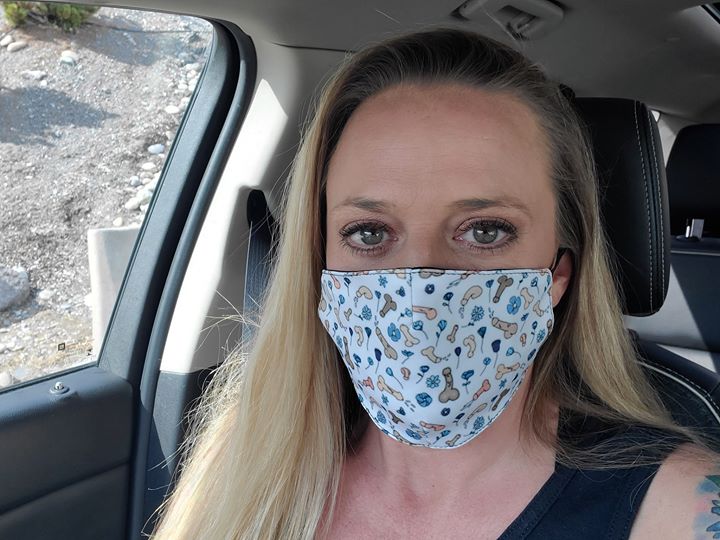 Friend of a friend recently posted this: “Behold! My masks have arrived! I wore this to Walmart and petco today. When someone tells me my mask has penises on it, I kindly let them know this is how I determine they are too close, kindly back the fuck up.
 Yesterday morning i was checking my personal email for the first time in days; i’ve been busy with work and preparation for a house guest and a severe case of self-inflicted World Cup Football Fever. So i started opening emails as one does from the most recently arrived and read this: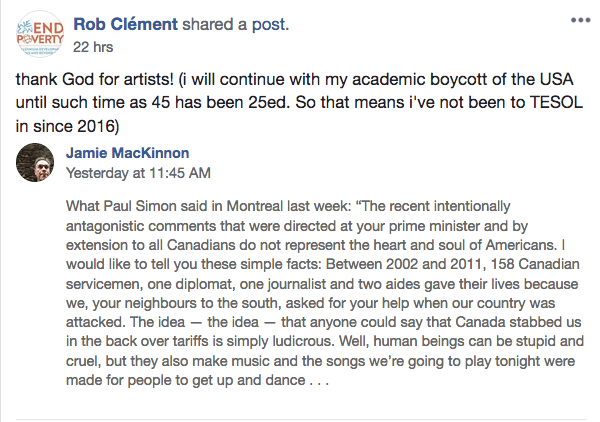


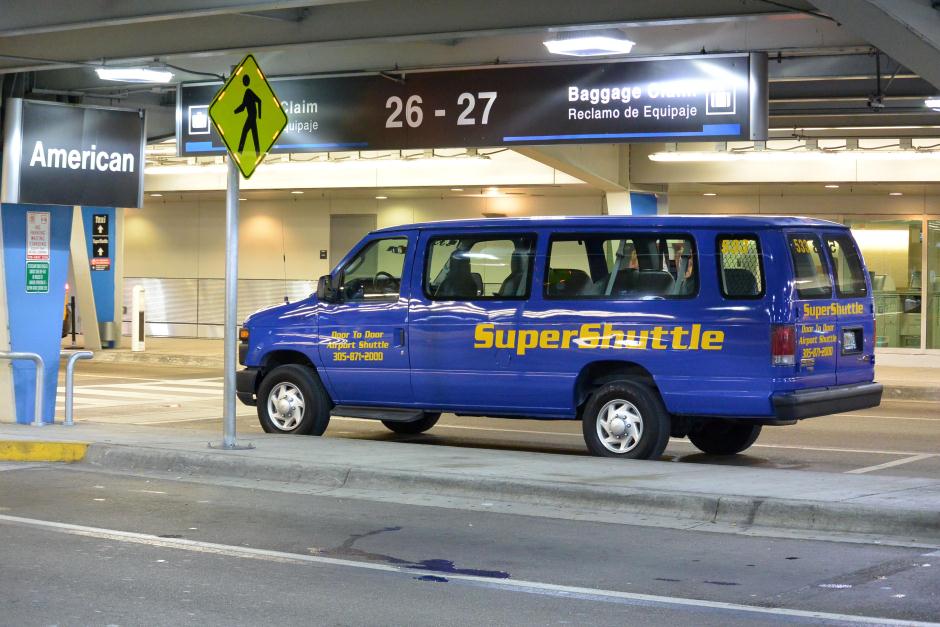 Today i got an email from Super Shuttle asking me to fill out their survey. As i’m sitting at LHR, on an extended layover, i had the time and was more than willing to fill out the form. When i had filled out the form and clicked on submit i got this message:
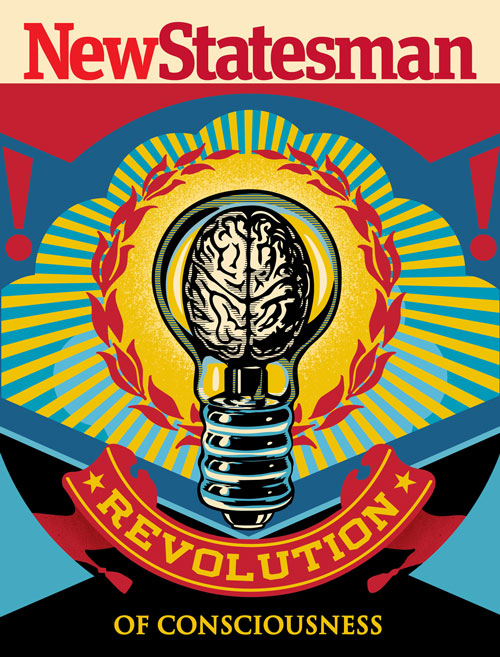
 frothquaffer's blog